The Real Cost of Wedding Photography
You've seen the price tag, and maybe you've winced. But what you're really paying for isn't just a photographer for a day. It's the result of years of practice, expensive equipment, and a business that runs behind the scenes long after the last dance.
Understanding what drives the price helps you see where your money goes, and why cheaper isn't always better. Here's what actually affects the cost.
Experience and Style
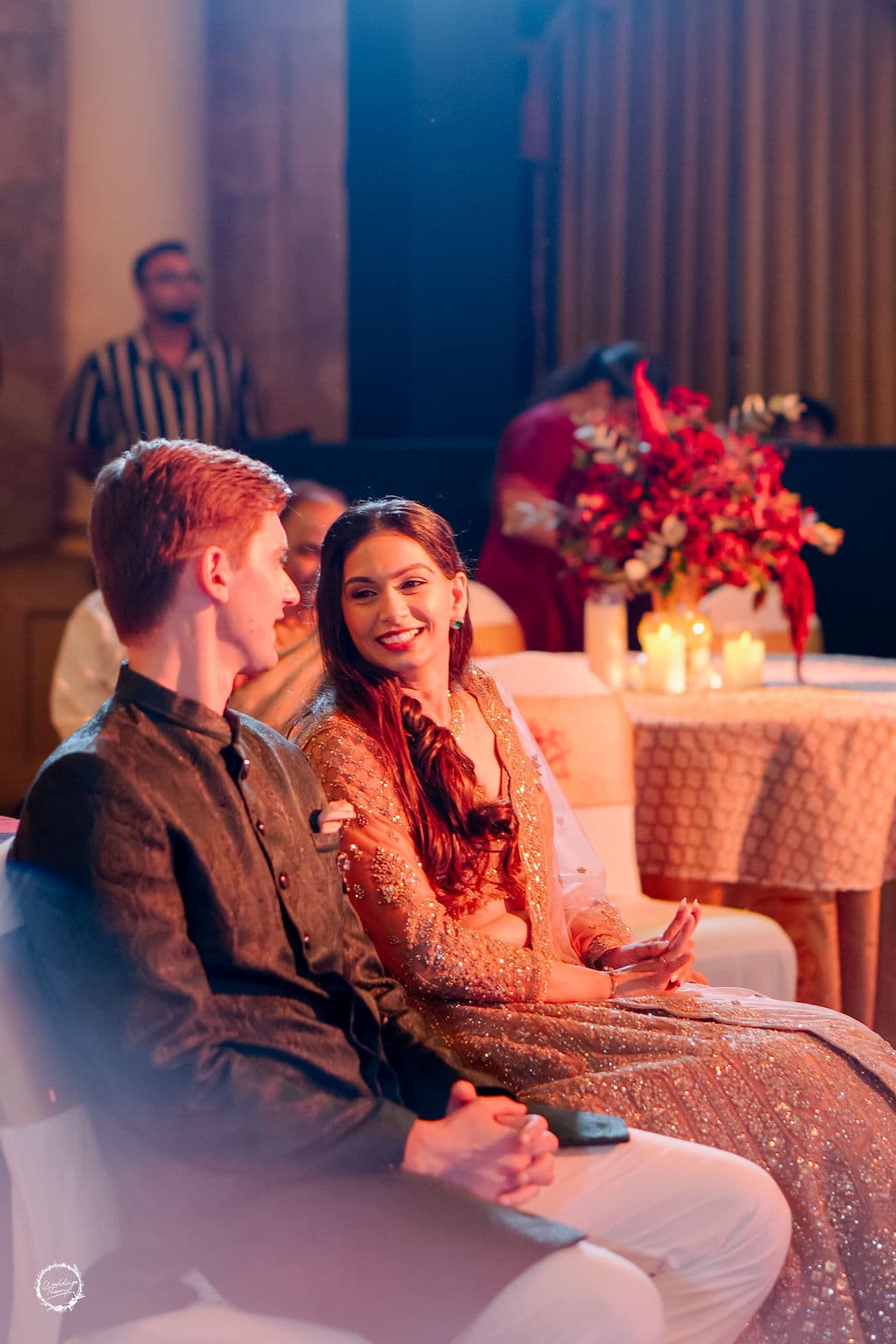
A photographer's portfolio tells you where they are in their career. A newcomer might charge less to build their book, while a seasoned pro with a distinct style commands more. That style, whether it's editorial, candid, or fine art, takes time to develop and refine.
You're not just paying for someone to show up and click. You're paying for their eye, their ability to anticipate moments, and their skill in directing you when needed. That comes from shooting dozens of weddings, learning how light works in different venues, and knowing how to handle unpredictable situations.
Why Style Matters
Think of it like this: two photographers can shoot the same scene, but the results will look entirely different. One might deliver bright, airy images, while another gives you moody, dramatic ones. That consistency, that signature look, is what you're investing in. It's not something you can replicate with a preset or a filter.
Time Beyond the Wedding Day
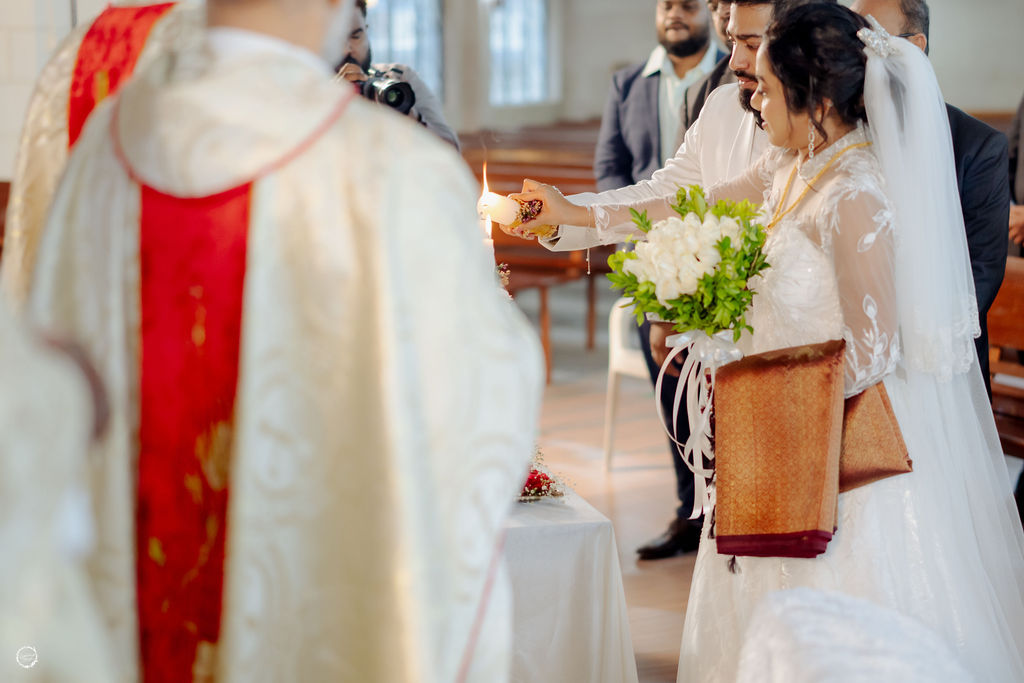
Most couples only see the hours the photographer is on site. But behind every gallery are dozens of hours of work you never witness. Culling through thousands of images, editing each one to perfection, and preparing your online gallery takes time and skill.
For a full day of coverage, expect your photographer to spend at least 20 to 30 hours on post-production alone. That's time they could spend on other clients or their personal life. When you pay for photography, you're paying for that invisible labor.
Pre-Wedding Consultations
Before the big day, there are meetings, emails, and planning calls. A professional will want to understand your timeline, your priorities, and the vibe you're going for. They might scout your venue or coordinate with your planner. This preparation ensures they show up ready to capture what matters most to you.
Equipment and Backup
Professional cameras, lenses, and lighting gear are not cheap. A single high-end lens can cost more than a month's rent. And because equipment can fail, a serious photographer carries backups for everything: bodies, lenses, flashes, and memory cards.
That redundancy isn't paranoia; it's professionalism. If a camera dies mid-ceremony, they need to switch instantly without missing a beat. This insurance is built into their pricing.
Editing Software and Education
Beyond hardware, there are software subscriptions, albums, and ongoing education. Photography trends evolve, and professionals invest in workshops and courses to stay sharp. These costs add up, and they're reflected in the final quote.
Business Overheads
Running a photography business involves more than just shooting. There's insurance to protect you and your venue, marketing to keep the brand visible, and taxes to pay. Plus, they likely have an assistant or second shooter on bigger weddings, which adds to the cost.
All these overheads are part of what you pay for. A photographer who charges a sustainable rate can focus on delivering quality, rather than worrying about making ends meet.
Demand and Season
Peak wedding season, usually from October to March, sees higher demand. If your date falls on a popular Saturday, expect to pay more. Some photographers also charge extra for travel or early start times. Being flexible with your date or location can help you negotiate a better rate.
What You're Really Paying For
At the end of the day, wedding photography is an investment in memories. These images will outlive the flowers and the cake. They'll be what you show your children and grandchildren. That's worth protecting.
When you compare quotes, look beyond the number. Ask about the photographer's experience, their editing style, and what's included. A higher price often means more reliability, better quality, and a smoother experience. And that's something you can't put a price on.