
What You're Actually Paying For
When you first look at wedding photography packages, the numbers can feel like a blur. Eight hours, twelve hours, two photographers, an engagement shoot, a fine art album. The list goes on, and the prices swing wildly. But the real question isn't what's included on paper. It's what those inclusions mean for your day and your memories.
Most couples start by comparing hours and print counts. That's a trap. Hours matter, but only in the context of your timeline. Prints matter, but only if you'll actually display them. What you're really paying for is the photographer's ability to be in the right place at the right moment, and their skill in turning those moments into images you'll want to look at for decades.
So let's strip away the jargon and look at what's inside a typical package, what's worth negotiating for, and what you can safely skip.
The Core Components
Every package is built from a few standard blocks. Once you recognize them, you can compare apples to apples.
Coverage Time
This is the most obvious line item. Six hours covers getting ready through the first dance. Ten hours stretches to the end of the reception. Twelve hours covers everything from early morning prep to the late-night sparkler exit.
But more time isn't always better. The real question is what your day actually looks like. If your ceremony is at 4 PM and your reception ends at 10, you don't need twelve hours. You need a photographer who can be efficient during the hours that matter. On the flip side, if you're doing a first look at 11 AM and partying until midnight, you need that extra coverage to capture the full arc.
Think about the moments you absolutely want documented. The quiet getting-ready shots. The reaction of your grandmother when she sees you for the first time. The chaos of the dance floor. Then work backward to figure out how many hours you need.
Second Photographer
This is one of the most underrated additions. A second photographer doesn't just double your coverage. They allow for parallel moments: the groom's reaction while you're walking down the aisle, the tear in your father's eye while you're doing your first look, the candid laughter from the other side of the room while you're posing for formals.
If your wedding has more than a hundred guests, or if you're planning multiple locations, a second shooter is almost essential. They also serve as a backup in case of equipment failure or illness, which is a quiet insurance policy you never think about until you need it.
Editing and Delivery
Here's where packages get murky. Some photographers include full editing of every image. Others deliver a selection of edited images and leave the rest as unedited files. Know the difference.
Full editing means each image gets color correction, exposure adjustments, and retouching. It's time-consuming, which is why some photographers cap the number of edited images. If you're looking at a package with a delivery count of 400 images, ask how many are fully edited versus just color-corrected.
Turnaround time is also part of this. If you want your photos within four weeks, that might cost more. If you're flexible with eight weeks, you can often save. But don't sacrifice quality for speed. A rushed edit is a regret you'll carry for years.
Albums and Prints
This is where the emotional value really lives. A digital gallery is convenient, but a printed album is a tangible heirloom. Many packages include a basic album or credit toward one. The catch is that the included album might be entry-level, with cheaper materials and limited page counts.
Ask to see samples of the actual album you'd receive, not just a mock-up. Feel the pages, check the print quality, and look at how the images are laid out. A good album should tell the story of your day in a way that feels cinematic, not just a random collection of photos.
If the album in the package doesn't excite you, ask about upgrading. It's often cheaper to upgrade within the package than to purchase a separate album later.
What's Usually Not in the Fine Print
Some things are rarely listed but can make or break your experience.
Usage Rights
Make sure you have the rights to print and share your photos. Most photographers grant personal usage rights, but some restrict printing or digital sharing. Read the contract carefully. You don't want to find out after the fact that you can't post your own wedding photos on Instagram without permission.
Travel and Accommodation
If your wedding is in a destination or even a few hours away, travel fees can add up. Some photographers include travel in their packages for a certain distance. Others charge per mile. Clarify this upfront so there are no surprises.
Overtime
Weddings rarely end on schedule. If your reception runs late, and your photographer stays, you'll be charged overtime. Know the hourly rate before the wedding day. It's usually reasonable, but it's easier to budget if you know what to expect.
How to Choose the Right Package for You
Start with your priorities. What matters most to you? Is it the getting-ready moments, the ceremony, the speeches, the dance floor? Your package should reflect that.
Next, think about your timeline. If you're doing a first look, you might not need as much coverage before the ceremony. If you're having a Catholic mass followed by a reception at a separate venue, you'll need more hours to cover the gap.
Finally, trust your instincts. The best package is the one that makes you feel confident that your photographer understands your vision. Ask to see full galleries from weddings similar to yours. If the photographer's style and the package inclusions align with what you want, that's a good sign.
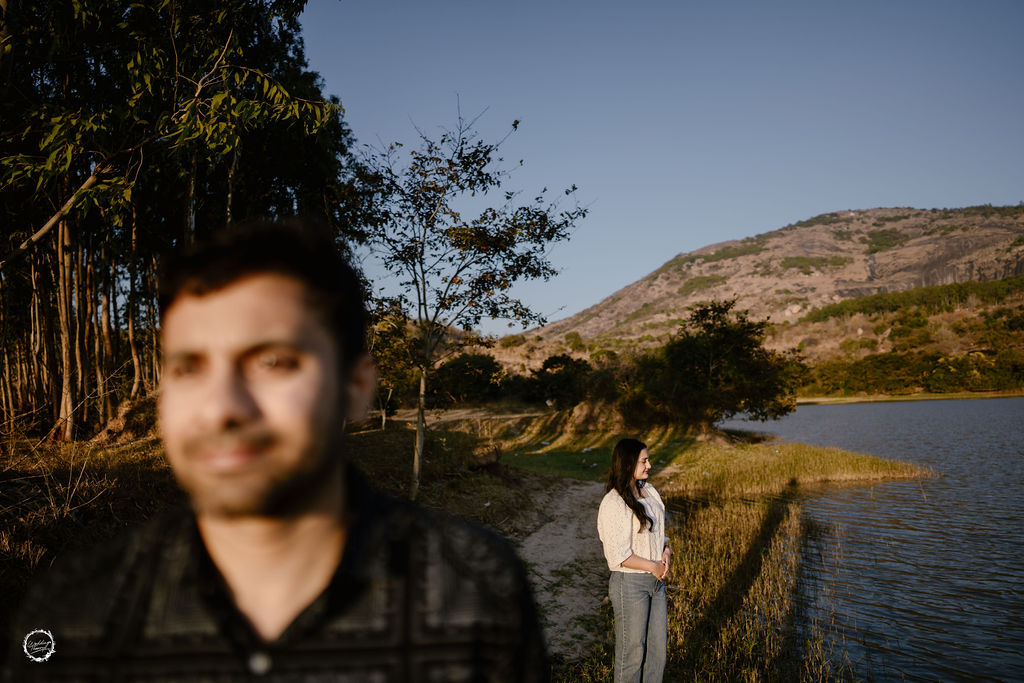
Remember, you're not just buying photos. You're buying the ability to relive the most important day of your life. The right package is the one that gives you that, without breaking the bank or adding unnecessary stress.
When you're ready to talk details, we're here to walk you through our own packages and tailor one to your specific needs. No pressure, just honest guidance.