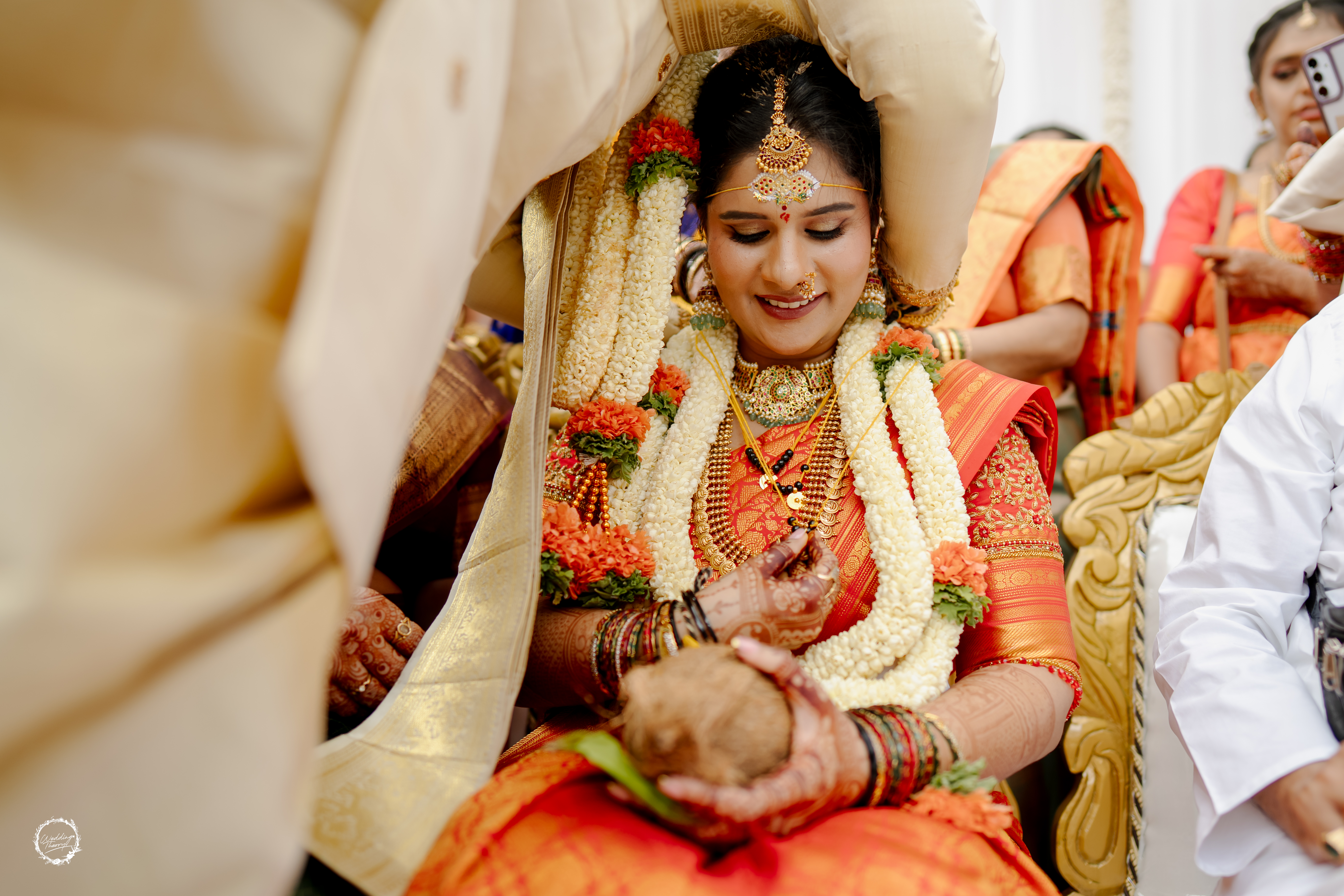
Why Your Shot List Is Probably Too Long
Most couples start building a photo checklist the way they build a guest list: more is safer. Forty must-have shots, a Pinterest board with two hundred pins, a printed sheet handed to the photographer on the morning of the wedding.
Then the day happens, and the sheet becomes a source of quiet panic. The photographer is chasing items instead of moments. You are checking boxes instead of being present. And the one photograph you actually wanted, the one of your grandmother laughing with your mother, never gets made because it was never on the list.
A useful checklist is not a wish list. It is a set of decisions made in advance so that on the day itself, nobody has to make them. Here is how to build one that protects your time, your energy, and the photographs you will actually look at a decade from now.
Start With the Photographs You Will Frame
Before you write anything down, ask a simpler question: which images will end up on a wall or in an album, not just on a phone screen? Most couples, when they are honest, land on a handful.
- The two of you, alone, in good light
- Each of you with your immediate family
- Your closest friends, together, looking like themselves
- The ceremony itself, from a few angles
- One or two candid frames that capture the mood of the day
Everything else is a bonus. This is not a reason to skip the details. It is a reason to sequence them correctly, so the essential images are made first and the extras fill the gaps rather than the other way around.
The Family Photo Problem
Family groupings are where most timelines quietly fall apart. A single large group shot can take ten minutes if people are scattered. Multiply that by twelve combinations and you have lost two hours of daylight.
The fix is unglamorous but effective. Write every grouping as a specific line, not a category. Not "cousins," but "Riya, Arjun, Meera, and Kabir." Not "extended family," but the eight names that actually matter. Send that list to one point person on each side, ideally a sibling or a close friend who knows who is who and is not afraid to raise their voice.
Give the photographer the list a week before, not on the day. A good photographer will sequence it so that groups overlap, grandparents sit rather than stand, and children are photographed before they are tired. That sequencing is invisible in the final images, which is exactly the point.
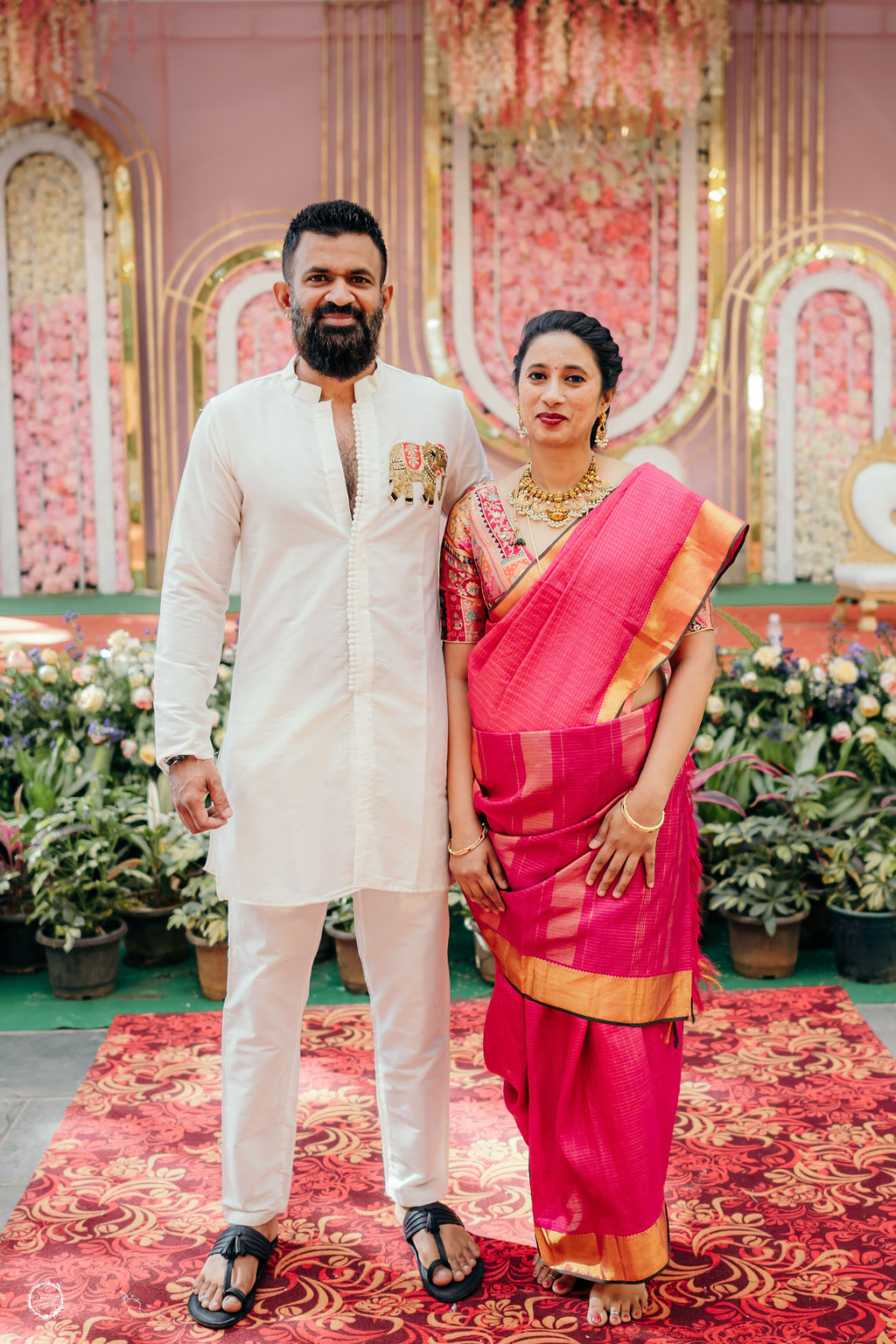
The Shots That Are Easy to Forget Until It Is Too Late
Certain photographs have no natural moment. Nobody announces them. If they are not planned, they simply do not happen, and you will not notice until the album is printed.
Before the Ceremony
- The quiet room: you, alone or with one person, in the last minutes before everything begins
- Your outfit in full, on the hanger or on you, before it gets crushed by hugs
- Your hands, your jewellery, the small objects you chose deliberately
- Your parents seeing you ready for the first time, if that moment matters to you
During the Ceremony
- The faces of the people watching you, not just the two of you at the front
- The reaction when you are first seen, from both sides
- The specific ritual or vow that means the most to your families
- Your hands during the moment of commitment
After the Ceremony, Before the Reception
- The two of you alone, for at least fifteen minutes, with no one else in the frame
- Your full bridal party or closest friends, in good light, before the party starts
- One photograph with each set of parents, separately and together
- The venue itself, empty or full, before the decor is dismantled
Notice how many of these are about people other than you. That is deliberate. The photographs that age best are usually the ones where you are looking at someone, or someone is looking at you.
How to Hand the List Over Without Losing the Day
A checklist is a tool for the photographer, not a script for you. The moment you start directing traffic, you stop being a participant in your own wedding.
Hand the list over at least a week before, in writing, and then let it go. If you have hired someone whose work you trust, the list is a safety net, not a set of instructions. They will know which moments to prioritise, which to let unfold, and which to abandon when the light changes or the schedule slips.
One practical habit: ask your photographer which three shots on your list they would drop if the day ran late. Their answer tells you a great deal about how they think, and it forces you to rank what actually matters rather than treating every item as equal.
What to Leave Off the List Entirely
Skip anything that requires people to perform. Jumping shots, staged laughter, elaborate group formations that take twenty minutes to arrange. These images date quickly and rarely look like the people in them.
Also skip the trend shots you saw online last month. If a pose or a prop does not feel like you, it will look like a costume in five years. The photographs that hold up are the ones where you recognise yourself.
Finally, do not list every guest. If you want a photograph with someone specific, tell your photographer their name and where they will be sitting. A list of two hundred names is not a checklist. It is a phone book.
What a Good Checklist Actually Protects
The point of all this planning is not a more efficient photo session. It is a quieter one. When the logistics are settled in advance, the day has room for the things you cannot schedule: your father tearing up during his speech, your friends collapsing into laughter, the ten seconds after the ceremony when the two of you finally exhale.
A checklist done well disappears. Nobody remembers the list. They remember that you were present, that your people were there, and that someone was paying attention to all of it.