Why RAW Files Matter More Than You Think
When you receive your wedding photos, you might wonder why your photographer talks about RAW files with such reverence. RAW is the digital equivalent of a film negative. It captures every detail the camera sensor sees, without any in-camera processing. This means your photographer has maximum flexibility to correct exposure, recover highlights, and bring out colors that would otherwise be lost.
For you, this translates into images that look natural and true to the moment. A RAW file is not a finished product. It is the starting point for the artistry that turns a good photo into a stunning one. Without RAW, your photographer would be working with a JPEG that has already been compressed and altered, limiting what can be done in post-production.
Think of it this way: RAW is like having a high-resolution master recording of your wedding day. It preserves the nuances of skin tones, the texture of fabrics, and the subtle play of light. When your photographer edits, they are not changing the reality of the moment. They are enhancing it to match the emotional weight you felt.
The Technical Side Without the Jargon
RAW files contain 12 to 14 bits of data per color channel, whereas JPEGs typically have 8 bits. That extra data means more shades of color and more room to adjust exposure without degrading the image. If a photo is slightly underexposed, a RAW file can often be brightened without introducing grain or banding. This is crucial in wedding settings where lighting changes rapidly, from dimly lit ceremony spaces to bright outdoor receptions.
Your photographer's editing process starts with these RAW files. They will adjust white balance, contrast, and color grading to create a cohesive look across your entire album. This is where their artistic vision comes into play. The same RAW file can be edited in countless ways, which is why two photographers can photograph the same scene and deliver completely different results.
When you see a photographer's portfolio, you are looking at their edited work. The RAW files are the raw material, and the edits are the final polish. Understanding this distinction helps you appreciate the skill involved in delivering images that feel both authentic and beautiful.
What Editing Actually Does to Your Photos
Editing is not about making you look different. It is about making the photo reflect the way you remember the day. Your wedding day is a whirlwind of emotions, and the camera captures everything, including moments when the lighting wasn't ideal or a fleeting expression wasn't perfectly exposed. Editing corrects these imperfections while preserving the genuine emotion.
Common edits include adjusting exposure, correcting color casts, and sharpening details. Your photographer might also remove distracting elements like a stray hair or a random object in the background. These are subtle refinements that do not alter the truth of the moment. Instead, they ensure that the final image matches the memory you want to keep.
One of the most significant edits is color grading. This is where your photographer sets the mood of the photo. A warm, golden tone can evoke nostalgia, while a cooler, muted palette can feel modern and editorial. The choice of color grading is a creative decision that reflects your photographer's style and your personal taste.
It is important to note that editing does not mean your photos will look heavily altered. A skilled photographer aims for a natural look that enhances rather than transforms. You should still recognize yourself and your loved ones in every image. The goal is to make the photos timeless, not trendy.
Why You Shouldn't Expect RAW Files
Some couples ask for the RAW files, thinking they are getting the 'real' photos. However, RAW files are not meant for viewing. They look flat and dull because they lack the processing that brings out their full potential. Sharing RAW files would be like handing you a film negative and expecting you to enjoy it. You need the edited version to see the beauty.
Photographers rarely provide RAW files because they represent unfinished work. They also carry the photographer's creative signature, and handing them over would be like giving away a chef's recipe. When you hire a photographer, you are paying for their artistic output, not just the raw data.
If you are concerned about getting high-quality images, focus on the edited deliverables. A professional photographer will provide you with a curated selection of fully edited, high-resolution files that are ready to print and share. These are the images that will hang on your walls and live in your albums.
How to Choose a Photographer Based on Editing Style
When you look at a photographer's portfolio, pay attention to how they edit. The editing style is a reflection of their aesthetic and will significantly impact how your wedding photos look. Do you prefer bright and airy photos with soft pastels, or do you lean toward moody and dramatic with deep shadows? There is no right or wrong, only what resonates with you.
Ask to see a full wedding gallery, not just the highlights. This will show you how they handle various lighting situations and how consistent their editing is throughout an entire day. A photographer who delivers a cohesive set of images, where every photo feels like part of the same story, demonstrates skill and attention to detail.
During your consultation, discuss the editing process. Ask how long it takes to receive your photos and what the post-production workflow looks like. A professional photographer will have a clear process and a timeline for delivery. They should also be open to feedback and willing to make adjustments if you feel certain images need more attention.
Remember, the edited photos are what you will keep forever. Make sure the photographer's style aligns with your vision. If you love their portfolio, you will likely love your own photos.
Questions to Ask Your Photographer About Editing
- How many edited photos will I receive, and in what resolution?
- What is your typical turnaround time for edited photos?
- Can you show me examples of before and after edits?
- Do you offer additional editing for specific images if needed?
- Will I have print rights to the edited photos?
These questions will give you clarity on what to expect and ensure there are no surprises. A photographer who is transparent about their process is one you can trust.
Ultimately, the distinction between RAW and edited is about understanding the craft. Your photographer's editing is what turns a collection of images into a story you will treasure. Trust their expertise, and you will end up with photos that capture the essence of your day.
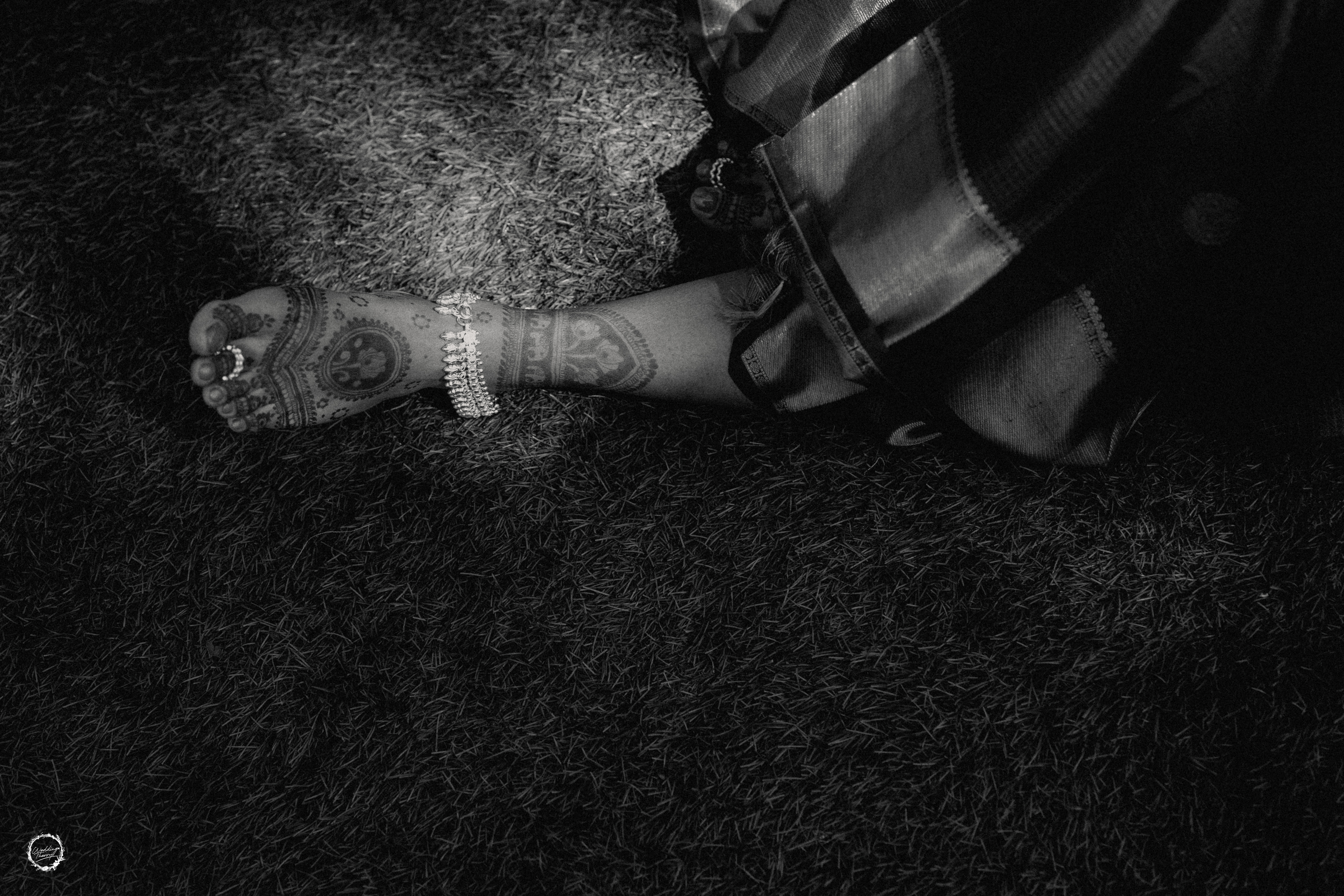
When you look at your final gallery, you will see a seamless blend of technical skill and artistic vision. Every image has been carefully crafted to preserve the emotion of the moment. That is the value of professional editing, and it is why the process matters as much as the click of the shutter.