
What Couples Are Actually Booking This Season
If you're planning a wedding this year, you've likely noticed that the photos filling your feed look different. Less stiff. Less staged. More like a quiet moment you happened to witness. That shift isn't accidental. It's the result of couples asking for something real, and photographers finding new ways to deliver it without interrupting the day.
Here's what's gaining traction, and more importantly, why it matters when you're choosing who to trust with your own wedding.
Documentary coverage with a director's eye
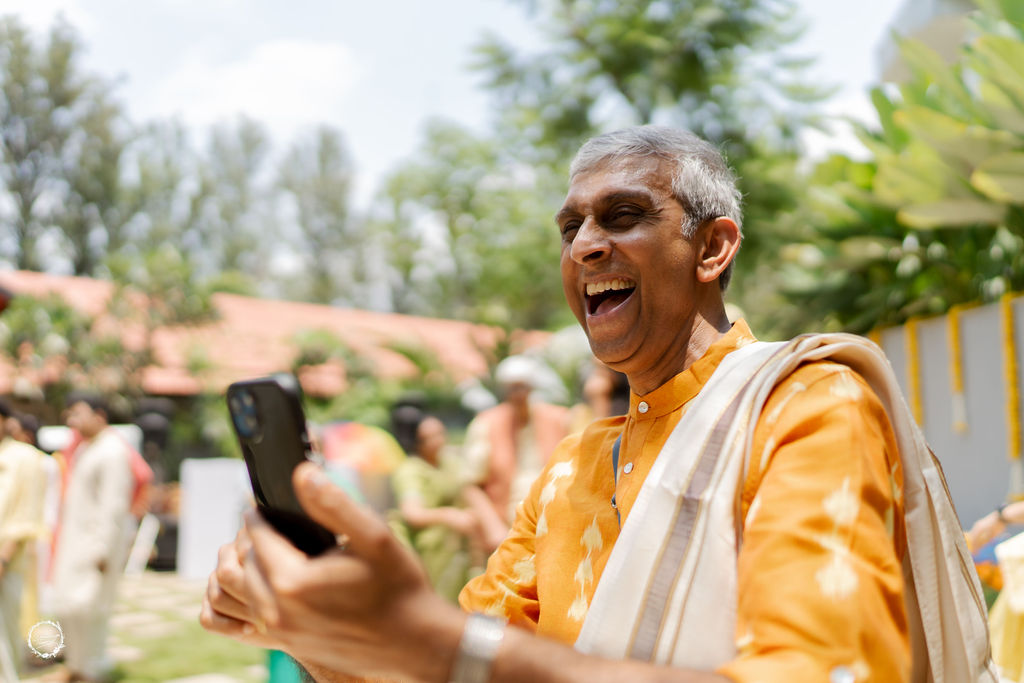
The biggest request we hear now is for photos that feel unposed but still look intentional. Couples want the laughter during vows, the nervous hands, the friend who cries during the toast. But they also want composition that doesn't look like a phone snap. The best photographers are working more like documentary filmmakers: anticipating moments, finding light, and knowing when to step back.
What this means for you: ask potential photographers how they handle unscripted moments. If they only show you posed portraits, that's a clue. Look for full galleries that include the in-between frames.
Editorial portraits without the stiffness
Editorial-style portraits are still popular, but the posing has loosened. Instead of rigid lineups, photographers are guiding couples into natural interactions, a walk, a whisper, a shared look, and shooting through it. The result is images that feel like they belong in a magazine but still look like you.
This approach takes more skill than directing a pose. It requires reading people and creating comfort quickly. When you review a photographer's work, notice whether the couples look at ease or performative.
The Aesthetic Shifts You'll See in 2025
Trends in editing and lighting are moving away from the heavy filters of the past. The goal now is longevity: photos that won't feel dated in ten years.
Warmer, film-inspired tones
The overly bright and airy look is fading. Couples are gravitating toward warmer skin tones, softer contrast, and a subtle grain that mimics film. It's not about applying a preset; it's about capturing light in a way that feels rich and true.
Why it matters: these tones tend to age better. They also handle mixed lighting, like a candlelit reception, more gracefully than cool, blue-toned edits.
Black and white as a deliberate choice
Black and white isn't new, but it's being used more intentionally. Instead of converting a few frames as an afterthought, photographers are shooting with black and white in mind for certain moments: the quiet preparation, a parent's reaction, the last dance. Stripping away color can make an emotion hit harder.
If you love black and white, tell your photographer early. They can plan for it.
How Technology Is Changing the Experience
New tools are making it easier for couples to relive the day, but they're also creating new decisions. Here's what's worth your attention.
Same-day edits and social media teasers
More studios now offer a same-day slideshow or a handful of edited images for social media before the reception ends. It's a nice way to share the excitement while it's still fresh. But be clear on what you're getting: a teaser is not a substitute for the full gallery, and it shouldn't rush your photographer into missing moments.
Hybrid photo and video coverage
Many couples are hiring one team to handle both photography and videography, often with a single shooter capturing both. This can mean fewer people in your face and a more cohesive final product. The trade-off is that one person can't be in two places at once. If you go this route, discuss backup plans for key moments.
What This Means for Your Wedding
Trends are useful only if they help you make a better decision. Here's how to apply what you've read.
- Prioritize storytelling over poses. Ask to see a full wedding gallery, not just highlights. Look for consistency in how they capture real moments.
- Discuss editing style upfront. Bring examples of tones you love and hate. A good photographer will explain how they achieve their look and whether it fits your venue's light.
- Decide on technology based on your priorities. If sharing on the day matters, ask about same-day options. If you want a relaxed experience, consider a team that works quietly in the background.
- Trust your gut on connection. You'll spend more time with your photographer than almost any other vendor. If they make you feel at ease during a coffee meeting, that's a good sign for the wedding day.
At the end of the day, the best trend is the one that lets you be present. The right photographer will make you forget the camera is there, and give you images that bring you right back.