
Why Your Timeline Is the Real Star of Your Wedding Photos
Every couple we meet says the same thing: they want photos that feel real, not staged. But here's what they don't realize until it's too late: the single biggest factor in getting those photos isn't the photographer's skill. It's the timeline you build months before the wedding day.
A rushed morning means tense faces and missed moments. A buffer-less schedule means your photographer is cutting corners on every shot just to keep up. The timeline is the quiet foundation that lets your photographer work with intention instead of panic.
This guide walks through the exact structure we use for weddings across India, from a 7 AM pheras in Jaipur to a sunset beach ceremony in Goa. It's the same framework that has helped hundreds of couples feel unhurried, present, and genuinely joyful in front of the camera.
Start With the Non-Negotiables, Then Build Backward
Most couples make the mistake of planning their day forward: ceremony at 11, lunch at 1, reception at 6. That approach leaves photography as an afterthought, squeezed into whatever gaps remain. Instead, flip the process. Begin with the moments you absolutely want captured, then work backward to build the schedule around them.
Your Three Pillar Moments
Choose three moments that are non-negotiable for you. These are the emotional anchors of your day, the ones you'll frame and revisit for decades. For most couples, they look like this:
- The first look, whether that's a private meeting before the ceremony or the moment you lock eyes across the mandap.
- The ceremony itself, including the key rituals that matter most to your families.
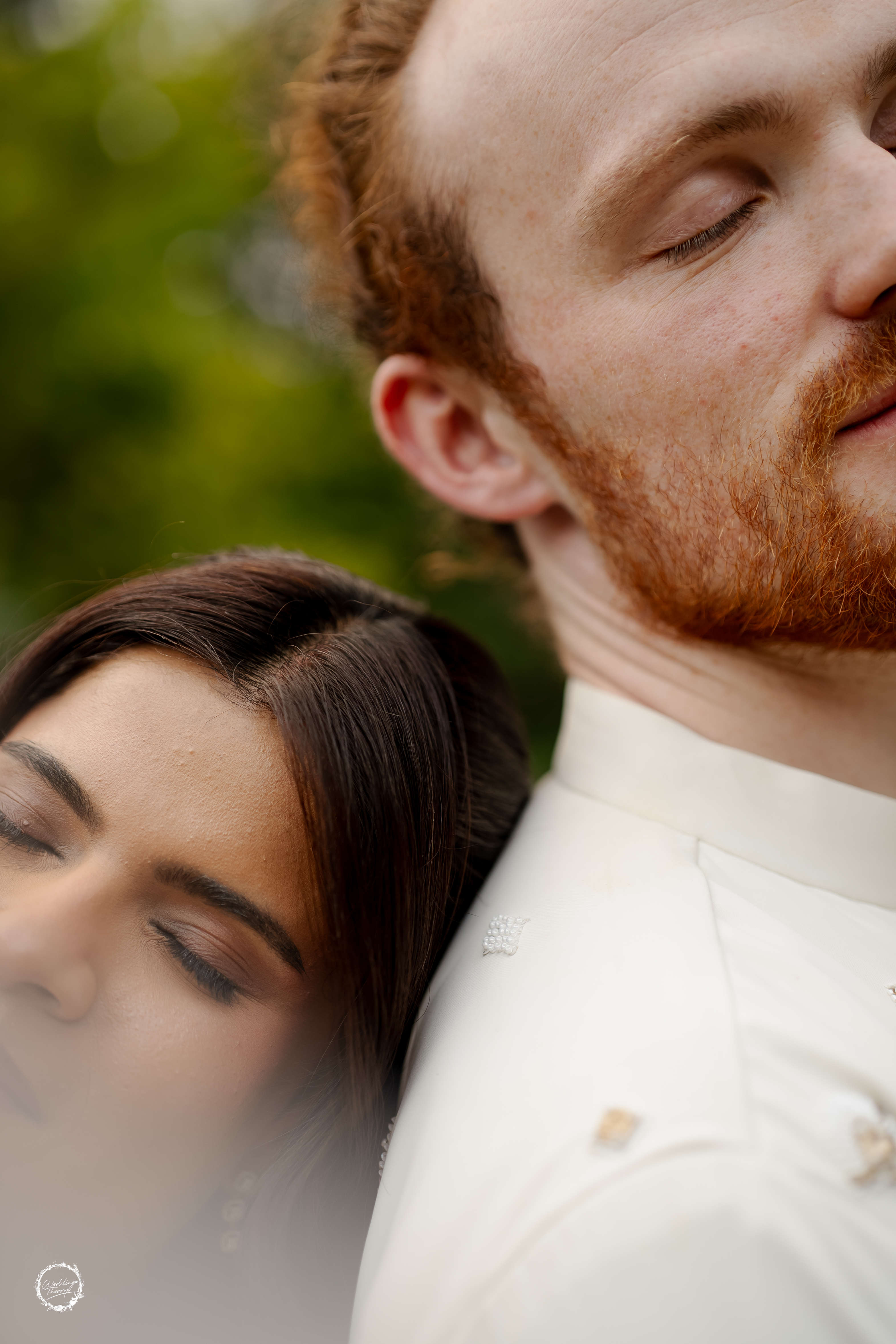
- The couple portraits, which need dedicated time, not a rushed 10 minutes between events.
Once you've locked these three, you know your photographer's absolute minimum requirements. Everything else, the haldi, the baraat, the reception entrance, gets scheduled around them.
Here's the insider rule we give every couple: for couple portraits, block out 45 minutes minimum. Not 20, not 30. Forty-five. That's enough time to walk to a good spot, warm up in front of the camera, try a few poses, and still have time for candid laughter between shots. Anything less, and your photographer will be watching the clock instead of the light.
The Golden Hour Is Not a Myth, It's a Schedule
Professional photographers obsess over light because light is the difference between a photo that looks like a memory and one that looks like a postcard. The hour after sunrise and the hour before sunset are the only times when light is soft, warm, and flattering on every skin tone. We call this golden hour, and it's the most requested time slot in our booking calendar.
But here's what most planning guides don't tell you: golden hour isn't just about the time of day. It's about what you schedule during it. If your couple portraits fall during harsh midday sun, no amount of editing can fix the shadows under your eyes. If your reception entrance happens at sunset, you're wasting the best light of the day on a moment that could happen at any hour.
How to Protect Your Golden Hour
Work backward from sunset. In most of India, that's between 5:30 and 7 PM depending on the season. Count backward from there to figure out when your couple portraits need to start. Then protect that block like it's sacred. No family member should be able to pull you away for a quick photo. No auntie should be allowed to add one more ritual to the schedule.
One practical trick: schedule your couple portraits right after the ceremony, before you're pulled into reception duties. Guests will still be settling into cocktail hour or finding their seats. That's your 45-minute window, and it's the only time during the entire day when you'll be alone together with your photographer.
The Buffer: Your Secret Weapon Against Chaos
Every wedding has unexpected delays. The makeup artist runs 20 minutes late. The priest's mic stops working. Your cousin's car breaks down on the way to the venue. These aren't rare occurrences; they're the norm. The difference between a couple who stays calm and one who spirals is the buffer built into the timeline.
We recommend adding a 20-minute buffer after every major event. That means after the haldi, after the ceremony, after the reception entrance. Those buffers aren't wasted time. They're the space where candid photos happen, where you catch your breath, where you actually get to talk to your grandmother who traveled from another city.
Think of it this way: a buffer is the difference between a photographer who has to say "sorry, we're out of time" and one who can say "let's try one more angle, the light is perfect right now."
Where to Put the Biggest Buffers
The morning of the wedding is where most delays happen. Hair and makeup rarely finish on time, and that pushes everything back. So build the largest buffer there, 30 to 40 minutes, right before the first event. If everything runs on schedule, that's bonus time for getting-ready shots with your bridesmaids or a quiet moment with your parents.
The second biggest buffer goes between the ceremony and the reception. This is when guests are transitioning, and it's also when you'll need to change outfits or freshen up. A solid 45 minutes here means your photographer can capture the ceremony exit, some guest candids, and still have time to set up for the reception entrance properly.
Your Ideal Photography Timeline, Hour by Hour
Here's the structure we use as a starting point for most Indian weddings. Adjust the times based on your ceremony start time, but keep the relative spacing the same.
- 2.5 hours before ceremony: Getting ready shots. This is when the photographer captures the details, your outfit, your jewelry, and the candid moments with your bridal party.
- 1.5 hours before ceremony: First look or pre-ceremony couple portraits. This is your private moment, away from the crowd.
- 30 minutes before ceremony: Family formal photos. This is the only part of the day that's truly posed, and it's best done before you're emotionally overwhelmed.
- Ceremony: Your photographer is documenting, not directing. The timeline should allow for the full ceremony without rushing.
- Immediately after ceremony: Golden hour couple portraits. This is your 45-minute block.
- Reception entrance: This is a high-energy moment, but it doesn't need special light. Save it for after sunset.
This structure gives your photographer three distinct creative phases: intimate getting-ready shots, posed family formals, and candid golden hour portraits. Each phase has a different energy, and together they tell a complete story of your day.
How to Work With Your Photographer on the Timeline
Your photographer isn't just someone who shows up and clicks. They're your visual director for the day. The best way to get the photos you want is to bring them into the timeline conversation early, not a week before the wedding.
Share your ceremony start time, venue details, and any cultural rituals you're including. Ask them what time they want to arrive for getting-ready shots. Ask them how much time they need for family formals. They'll have opinions based on experience, and those opinions will save you from common mistakes.
Questions to Ask Before You Finalize
- What time do you need to arrive to get the best light for getting-ready shots?
- How many family formals can you realistically do in 30 minutes?
- Where's the best spot at our venue for golden hour portraits?
- What's the one thing you've seen go wrong in timelines that we should avoid?
These questions show your photographer you respect their craft, and they'll go the extra mile for you because of it. A photographer who feels like a partner, not a vendor, will fight for your golden hour, protect your buffer, and make sure you're not rushed through a single important moment.
The Final Word: A Timeline Is a Promise to Yourself
Your wedding day will be a blur of emotion, color, and noise. You won't remember most of the details, but you'll remember how you felt. A well-built timeline ensures you feel calm, present, and able to actually soak in the moments you've spent months planning.
When you look back at your photos, you won't see the schedule. You'll see your mother's tears during the pheras, your partner's laugh during the first look, the way the sunset turned everything gold during your portraits. That's what a good timeline gives you: not a plan, but a doorway to the memories you'll keep forever.
If you're planning a wedding and want help building a timeline that works for your specific venue, rituals, and light conditions, we're here to talk. We'll walk through your day with you, moment by moment, until the schedule feels less like a constraint and more like a gift to your future self.