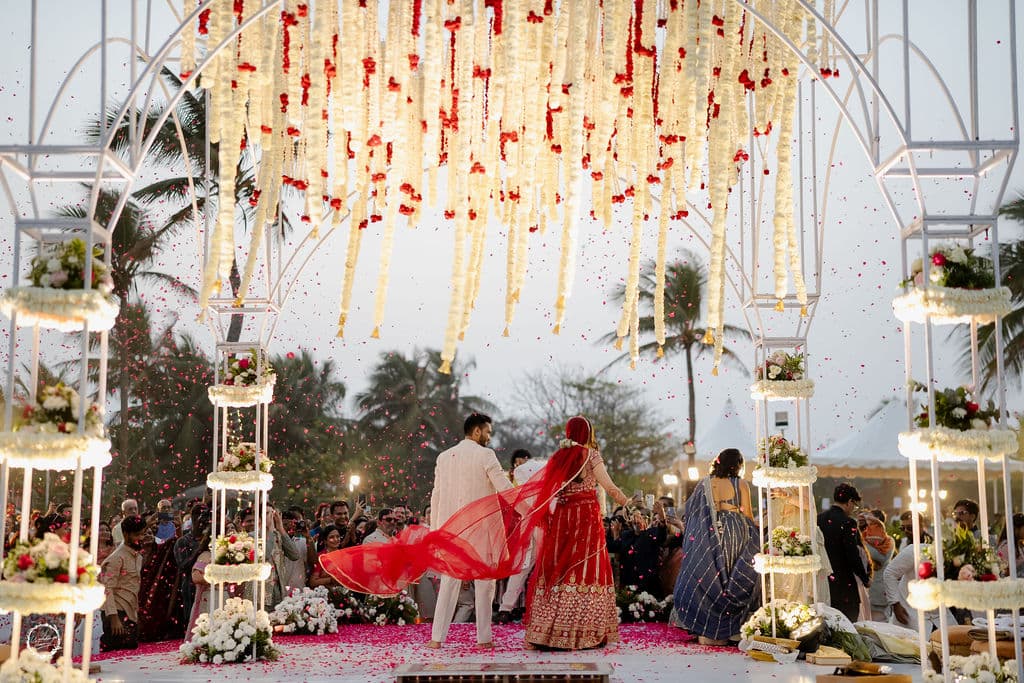
The Art of Being Unseen: How Candid Photography Actually Works
You've seen the photos: a father's eyes glistening as he hugs his daughter, a flower girl spinning in a sunbeam, a couple laughing mid-whisper. These images feel stolen from a dream. But how do photographers capture them without turning your wedding into a photo shoot? It comes down to three things: anticipation, intuition, and an almost invisible presence.
Most photographers will tell you they shoot candidly. Few can explain the mechanics. Here's what separates a posed smile from a moment that actually happened.
Reading the Room Before It Happens
Candid photography isn't about waiting for something to happen. It's about knowing it's about to. A good photographer studies the rhythm of your day: the nervous energy before the ceremony, the way your grandmother grips her purse during the vows, the best man practicing his speech under his breath. These are cues. They tell us where to stand, when to lift the camera, and when to stay perfectly still.
We're not just watching you. We're watching everyone else watch you.
Blending In Without Disappearing
You might think the best candid photographer is the one you never notice. Not quite. If we're truly invisible, we miss the moment when you lock eyes with your partner from across the room. Instead, we aim to be a familiar presence, someone you stop registering after the first hour. That means dressing like a guest, moving slowly, and never blocking a hug or a toast. It also means knowing when to step back and let the moment breathe.
The goal is to be forgotten, not absent.
Your Day, Unscripted: The Role of Planning in Spontaneity
Spontaneity doesn't happen by accident. It's the result of careful planning that leaves room for the unexpected. When we walk through your timeline together, we're not just scheduling photo ops. We're mapping out the natural pauses, the transitions, and the pockets of time where real life tends to unfold.
The Timeline as a Safety Net
A well-crafted timeline isn't a straitjacket. It's a safety net that gives you permission to relax. If you know the formal portraits will take exactly 20 minutes, you won't spend the cocktail hour worrying about them. You'll be present. And when you're present, the candid moments multiply.
We build in buffer time not because we expect things to go wrong, but because we know they'll go right in unpredictable ways. A toast runs long because your best friend gets emotional. Your nephew decides to breakdance during the reception. These are the moments you'll want to remember, and they need space to happen.
Directing Without Directing
There's a myth that candid photography means zero direction. In reality, the best candid moments often come from gentle prompts. Not "look at me and smile," but "tell her the story about the first time you saw her." We create tiny scenarios that allow your real reactions to surface. Then we step back and let them play out.
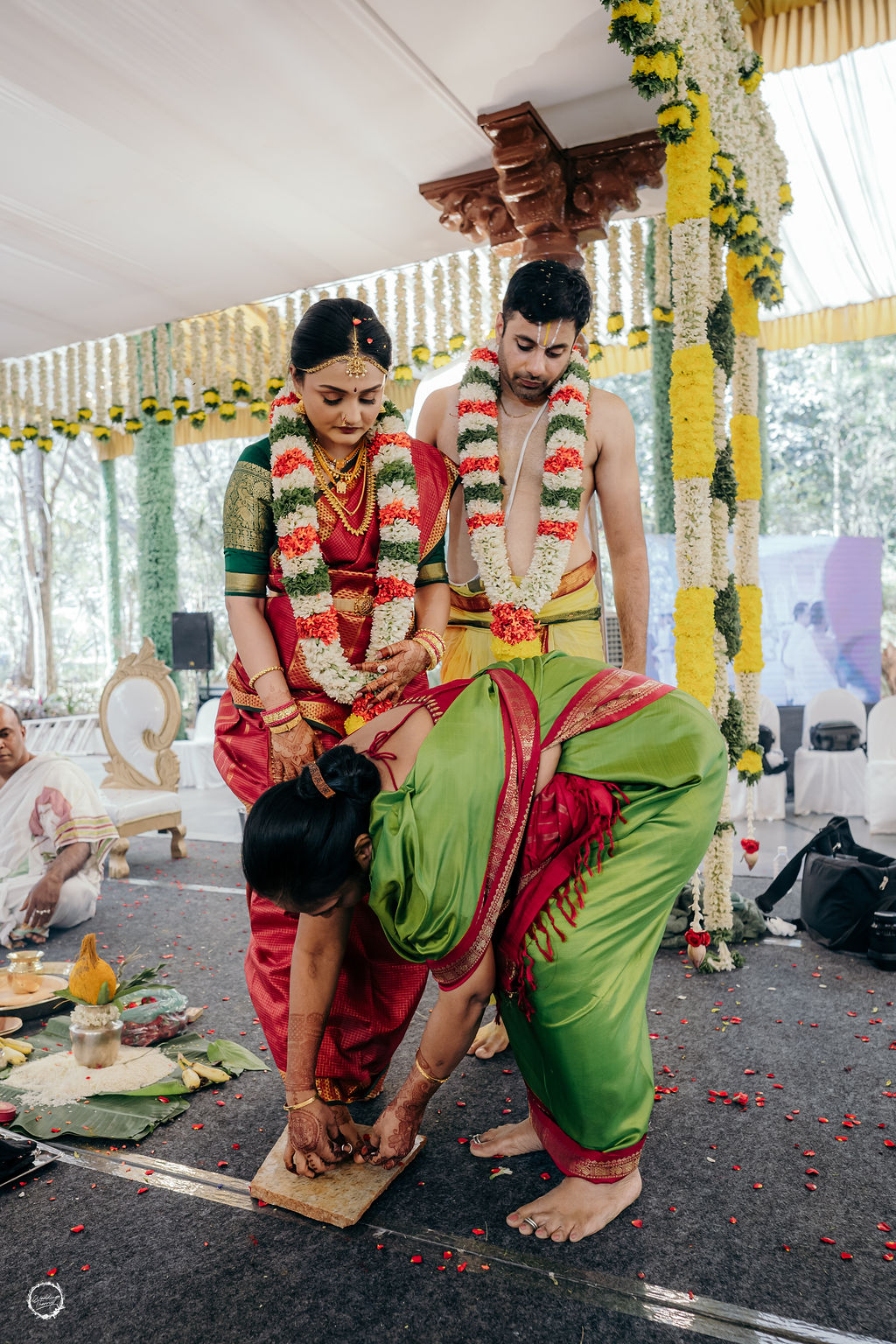
It's a subtle art: giving you something to do so you forget we're there.
When to Step In and When to Step Back
Knowing when to intervene is as important as knowing when to stay silent. A seasoned photographer can read the room and sense when a moment is about to turn. Sometimes that means stepping in to fix a stray hair or adjust a veil. Other times it means letting a tear fall without offering a tissue.
The difference is intention. If the moment is about connection, we stay back. If it's about logistics, we step in quickly and quietly.
The Unseen Signals
We develop a silent language with your planner, your DJ, and even your family. A nod here, a hand gesture there. These signals let us coordinate without interrupting. When the best man starts his speech, we know to move to the side of the room where the light is best. When the first dance begins, we're already in position.
You'll never see the choreography behind the scenes. You'll just see the results.
Respecting the Moment
There are times when even the quietest shutter feels intrusive. During a prayer, a private vow exchange, or a quiet embrace, we might lower the camera entirely. Some moments are meant to be felt, not photographed. But more often than not, the photograph is the feeling. It's the proof that it happened.
We err on the side of capturing, but we never forget that you're the one living it.
What You Get When You Forget the Camera
The best compliment we receive isn't "these photos are beautiful." It's "we forgot you were there." That's when we know we've done our job. You were fully present, and we were fully ready.
The images that result aren't just pictures. They're memories with texture: the way your mom's laugh crinkled her eyes, the exact moment your partner's voice cracked during their vows, the chaos of the dance floor at 11 p.m. These are the details that fade with time, and they're exactly what we're there to preserve.
So if you're planning your wedding and worrying about feeling like you're in a photo shoot all day, take a breath. The right photographer won't just capture your day. They'll give it back to you, one unguarded moment at a time.