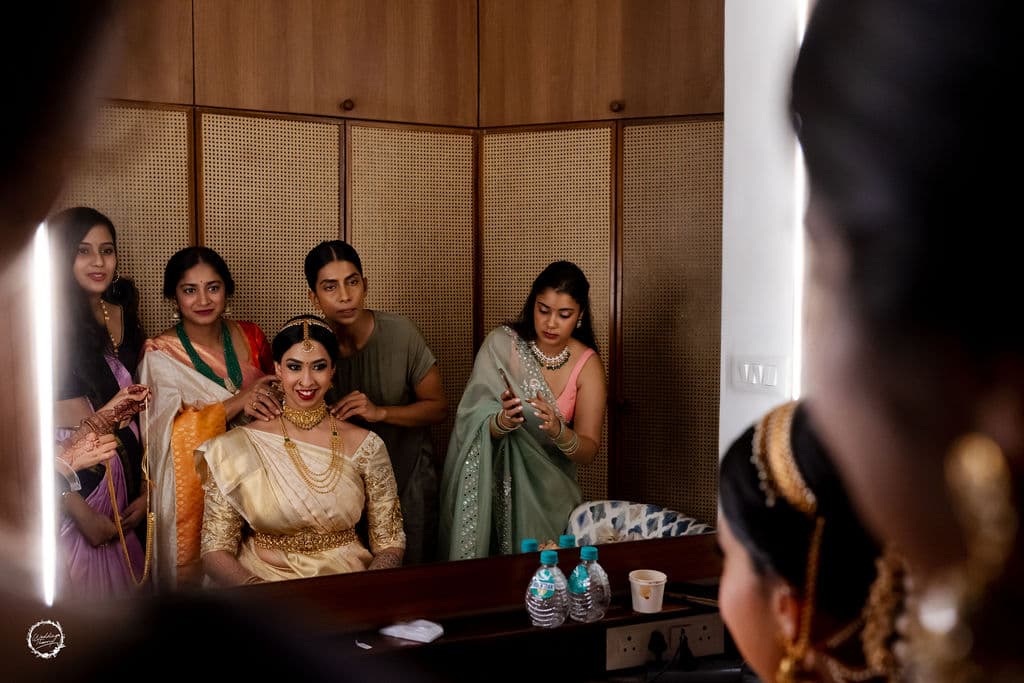
What This Meeting Is Actually For
Most couples treat the first photographer meeting like an audition. They show up hoping to be liked, ask a few safe questions, and leave with a vague sense that it went well. Then they book, and somewhere around month four they realize they never actually talked about the things that matter.
The meeting is not an audition. It is a working session. By the time you sit down, you should already know you like the photographer's work. The hour ahead is for testing whether the two of you can make decisions together under pressure, because that is what you will be doing on the wedding day.
Walk in with that framing and the conversation changes entirely. You stop performing and start interviewing.
Before You Sit Down
Preparation is not a research project. Two or three hours of focused work before the meeting will save you weeks of back-and-forth later.
Know Your Three Non-Negotiables
Every wedding has moments that matter more than the rest. Maybe it is your grandmother's reaction during the ceremony. Maybe it is the first ten minutes of the reception, before the room fills up. Maybe it is a specific portrait with your siblings that you have been picturing for years.
Write down three. Not ten. Three forces you to rank, and a ranked list tells a photographer where to point the camera when the day inevitably gets chaotic.
Bring a Real Budget Number
Couples often dodge this question, hoping the photographer will name a price first. That wastes everyone's time. If your ceiling is ₹2.5 lakh, say so. A good photographer will either work within it or tell you honestly that they cannot, and you will both move on faster.
Gather Reference Images, But Not Too Many
Ten to fifteen images is plenty. Pull them for a reason: the light, the framing, the mood, the way people are positioned. If you hand over a folder of two hundred screenshots, you are not communicating taste. You are communicating anxiety.
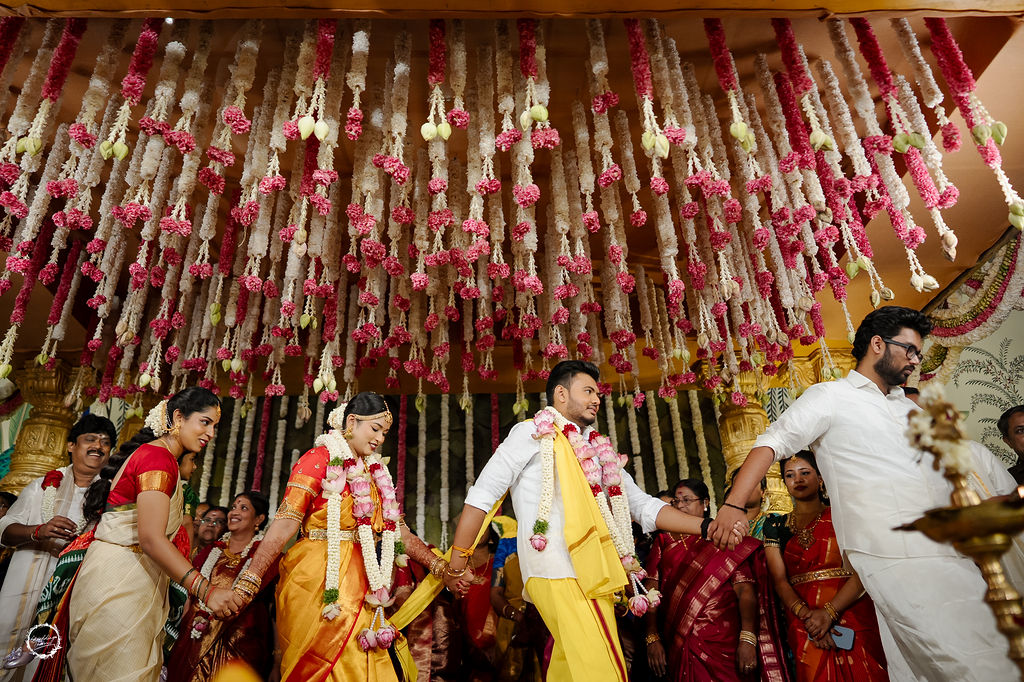
The Questions That Actually Reveal Something
Skip the questions you can answer by reading their website. Instead, ask things that force a real answer.
About the Day Itself
- Who will actually be shooting my wedding, and have I met them?
- How many weddings have you shot at this venue, and what surprised you there?
- What happens if it rains, or if the ceremony runs ninety minutes late?
- How do you handle a family that is not particularly cooperative in front of a camera?
That last one matters more than most couples expect. The photographer's answer tells you whether they have genuine people skills or just a good portfolio.
About the Deliverables
- What is the realistic timeline for edited photos, and what does "edited" mean in your workflow?
- How many final images should I expect, and how do you decide what gets cut?
- Do I get the raw files, and if not, why?
- What happens if I want additional edits six months later?
If the answer to the raw files question is a flat no with no explanation, that is worth noting. There are legitimate reasons to withhold them, and a photographer who can explain those reasons clearly is a photographer who has thought about this before.
About Logistics and Backup
Ask how they back up files during and after the wedding. Ask what happens if their primary camera fails mid-ceremony. Ask whether they carry insurance. These are unglamorous questions, and the answers separate professionals from enthusiasts.
What to Watch For in the Room
The conversation itself is data. Pay attention to how the photographer listens, not just how they talk.
Do they interrupt you to pitch a package? Do they ask follow-up questions about your family, your venue, your priorities? Do they push back gently when you say something they disagree with, or do they agree with everything?
A photographer who agrees with everything is not necessarily easy to work with. They may simply be unwilling to have a real conversation, which becomes a problem when you need them to make a judgment call on the day.
Notice, too, whether they show you full weddings or just highlight reels. A highlight reel proves they can find twenty good frames. A full gallery proves they can deliver a complete story, including the quiet, in-between moments that often end up being the ones you love most.
Red Flags Worth Taking Seriously
Most concerns that come up in these meetings are minor. A few are not.
- Vague answers about who will be shooting on the day
- No written contract, or a contract that arrives only after payment
- Reluctance to share full galleries from past weddings
- Pressure to book within twenty-four hours to "lock in" a price
- No clear answer about backup equipment or file storage
Any one of these on its own might be explainable. Two or three together usually means the photographer is either inexperienced or disorganized, and neither is what you want standing next to you during your vows.
How to Close the Meeting Well
You do not need to decide on the spot. In fact, you should not. Tell the photographer you will follow up within a week, and then actually do it, even if the answer is no. A short, polite message costs you nothing and keeps the door open if your plans change.
If you do want to move forward, ask for the contract before you pay anything. Read the cancellation and rescheduling clauses carefully. Confirm the date, the hours, the deliverables, and the payment schedule in writing.
The meeting is the beginning of a working relationship, not the end of a sales process. Treat it that way, and you will walk into your wedding day already knowing that the person behind the camera understands exactly what you are hoping to hold onto.