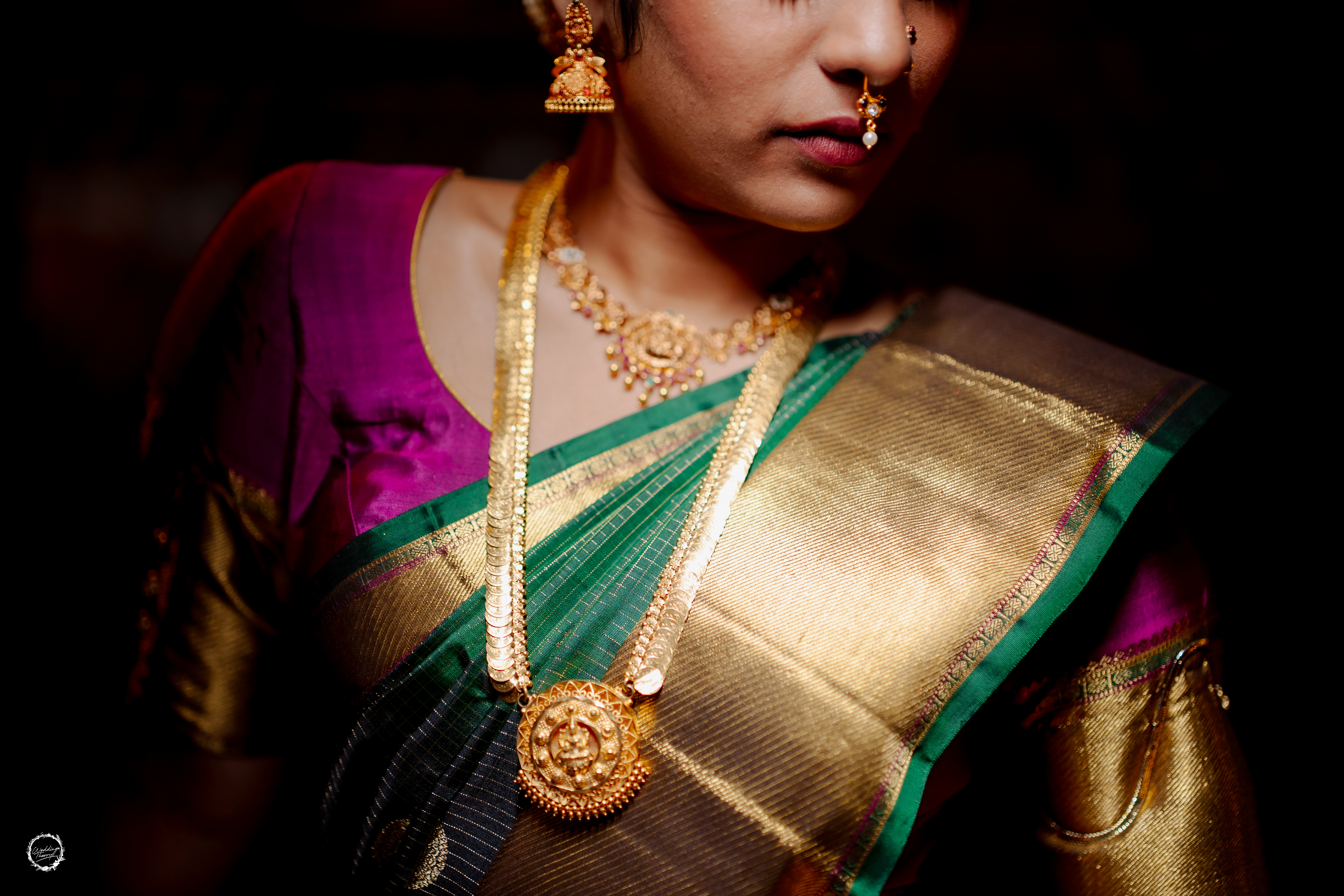
When the Camera Should Almost Disappear
You know the moment: a parent's voice cracks during a blessing, a sibling's hands tremble while tying a thread. These are the frames you'll return to years later, not the staged portraits. Yet many couples worry that a photographer hovering nearby will break the spell. The good news is that the most moving ritual photos often come from a photographer who knows when to step back and when to lean in.
This guide is for couples who want their wedding album to feel like the day itself: raw, intimate, and true. We'll walk through how to choose a photographer who respects the emotional weight of your rituals, and what to discuss before the wedding so nothing feels intruded upon.
The Difference Between Documentation and Intrusion
Every wedding has its share of posed moments, but rituals are different. They're not performances; they're lived experiences. A photographer who understands this distinction will prioritize the emotional arc over the perfect angle. That might mean shooting from a distance with a long lens, or positioning themselves where they can capture faces without being in the line of sight.
The key is anticipation. Experienced photographers study the order of events and know which moments are likely to be charged with emotion. They'll position themselves before the tears start, not scramble for a shot after. This comes from asking questions ahead of time: Which ritual is most meaningful to you? Who will be participating? Are there any cultural or familial sensitivities we should know about?
Reading the Room Without Disrupting It
Some rituals are quiet and still, like a candle lighting or a vow exchange. Others are loud and communal, like a baraat or a hora. A skilled photographer adjusts their approach accordingly. For quiet moments, they might use a silent shutter and keep a respectful distance. For lively ones, they can move freely and capture the energy.
The goal is to be a fly on the wall, but a fly with a keen eye and a fast trigger finger. This means wearing dark, unobtrusive clothing, using lenses that allow for close-ups without physically crowding, and knowing the exact moment when a flash would ruin the mood.
Pre-Wedding Conversations That Make All the Difference
The best way to ensure your photographer respects your rituals is to talk about them beforehand. Not just the timeline, but the meaning behind each ceremony. Share stories: why does this ritual matter? Who will be there? What emotions might surface? This context helps the photographer anticipate and prepare.
It's also important to set boundaries. If there are parts of a ritual that are private, say so. A professional will respect that and find creative ways to capture the essence without intruding. For example, they might photograph the moments just before or after, or focus on the reactions of guests.
Questions to Ask Your Photographer
- How do you typically handle emotional moments during a ceremony?
- Can you share examples of ritual photos you've taken that felt respectful and unobtrusive?
- What's your approach if you sense a moment is too private to photograph?
- Do you use silent shutters or other equipment to minimize disruption?
These questions reveal whether a photographer values the experience over the shot. The right one will have thoughtful answers and perhaps even a story or two about times they chose to lower the camera out of respect.
Technical Choices That Preserve the Mood
Gear and settings matter more than you might think. A loud shutter click can shatter a quiet moment. A flash can blind a tearful parent. Photographers who specialize in candid, emotional work often use mirrorless cameras with silent modes, fast prime lenses for low light, and available light whenever possible.
They also know when to break the rules. Sometimes a gentle flash is necessary to capture a dimly lit ritual, but it's used sparingly and with permission. The priority is to maintain the atmosphere, not to get the technically perfect exposure.
Editing with Integrity
Post-processing should enhance, not alter, the emotional truth of a moment. Over-retouching can strip away the raw beauty of a tear-streaked face or the soft glow of candlelight. The best editors know how to bring out details without making the image feel artificial.
Look for photographers whose portfolios show a consistent, natural editing style. If every photo looks like it was shot in a studio, they might not be the right fit for documentary-style ritual coverage.
Real-World Scenarios: When to Hold Back
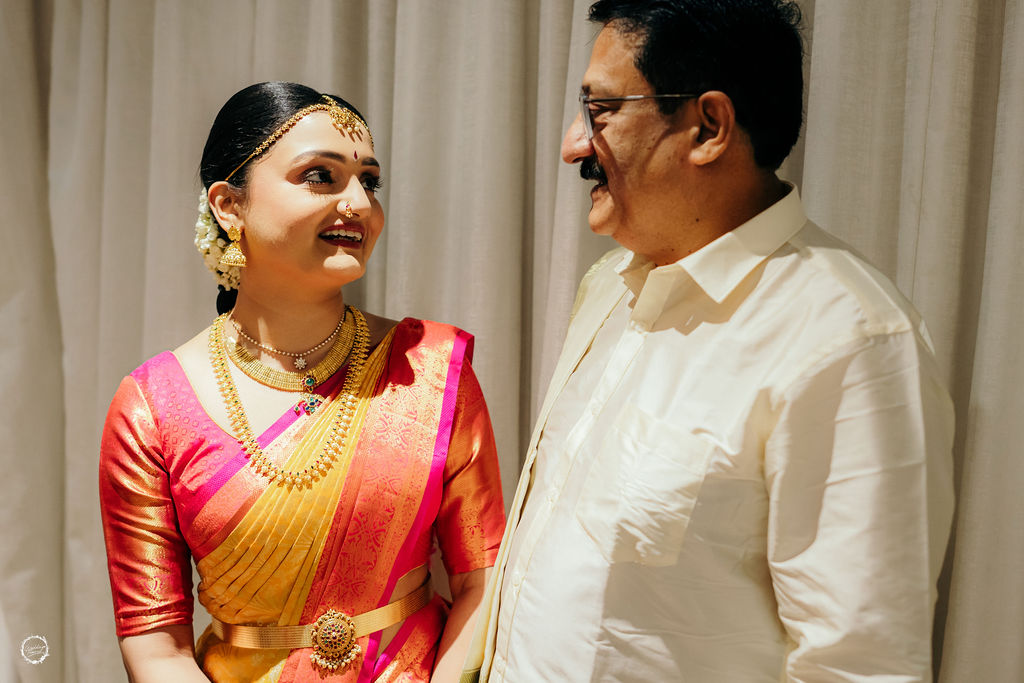
Consider a Hindu wedding's kanyadaan, where a father gives away his daughter. It's a moment heavy with emotion, often accompanied by tears. A photographer might choose to stay at a distance, capturing the father's face and the daughter's clasped hands, rather than moving in for a close-up that could feel invasive.
Or think of a Christian ceremony's Eucharist. The quiet reverence of the moment calls for a respectful approach: no flash, no movement, just a long lens from the back of the church. The resulting image can be just as powerful as one taken up close.
In a Sikh Anand Karaj, the couple circles the Guru Granth Sahib four times. A photographer might walk alongside the couple, but at a slight distance, capturing the solemnity without becoming part of the ritual. The key is to be present but not prominent.
Choosing a Photographer Who Gets It
Ultimately, the right photographer for emotional rituals is one who values empathy as much as technical skill. They should be someone you feel comfortable with, someone who listens more than they talk. During your initial meeting, pay attention to how they respond to your stories. Do they ask follow-up questions? Do they seem genuinely interested in your traditions?
Ask to see full galleries of weddings similar to yours, not just highlight reels. Look for consistency in how they handle emotional moments across different ceremonies. If you see a pattern of respect and sensitivity, that's a good sign.
And trust your gut. If a photographer's presence feels intrusive during a consultation, it will likely feel the same on your wedding day. The best ones have a way of blending in, of being there without being in the way.