The Problem With Perfect Weather
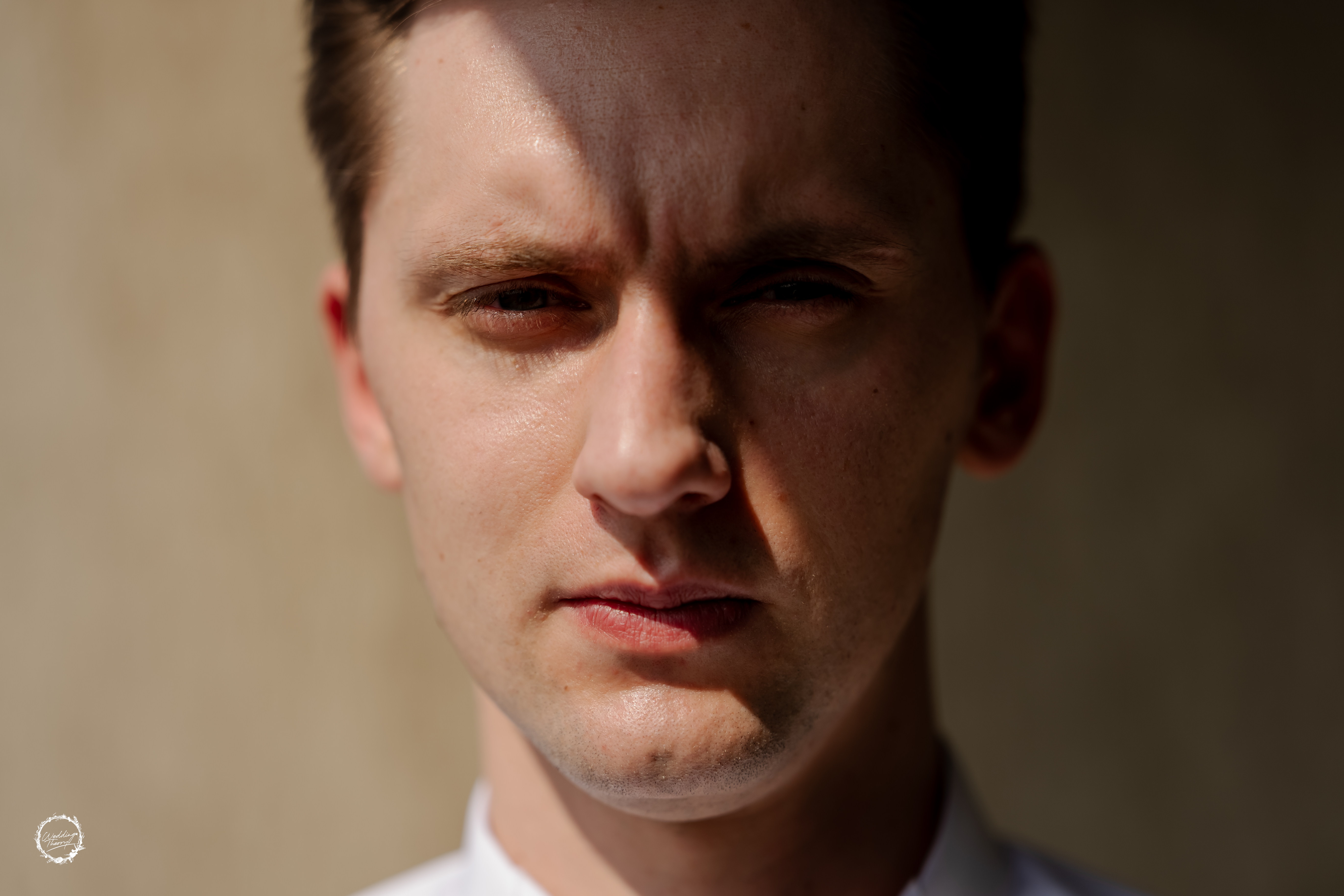
Every couple hopes for clear skies on their wedding day. But when the sun is out and there is nowhere to hide, that hope turns into a different kind of challenge. Harsh midday light creates shadows under eyes, washes out colors, and makes everyone squint. It is the most common lighting problem in Indian weddings, and it is also the most misunderstood.
Most photographers treat bright sunlight as an enemy. They drag couples into the shade, ask them to close their eyes, or simply accept washed-out images. But the sun is not the problem. The problem is how we approach it.
Understanding what harsh light actually does to skin tones and fabric is the first step. Direct overhead light creates hard shadows because the light source is small and intense. It also produces a color cast that makes white look grey and gold look flat. But with the right technique, you can turn this into an advantage.
Work With the Light, Not Against It
Shooting in harsh sunlight requires a shift in mindset. Instead of fighting the light, you use it as a tool. There are three reliable ways to do this, and each one changes the mood of the photograph.
Find the Open Shade
Open shade is not the same as hiding under a tree. It is a spot where the sky is the light source, not the sun. Look for the shadow side of a building, a wall that blocks direct sun but still lets in ambient light. This gives you even, soft illumination that makes skin look natural and colors stay true.
Position the couple so they face the brightest part of the sky. That way, their faces are lit evenly, and the background can be anything you want. This is the safest option when you have no control over the location, and it works for portraits, couple shots, and even group photos.
Use the Sun as a Backlight
Backlighting is a more creative approach. Place the sun behind the couple, and let it rim their heads and shoulders with a warm glow. This separates them from the background and adds a sense of depth that flat lighting cannot achieve.
The trick is to expose for the face, not the sky. Use spot metering on the subject's skin, and let the background blow out slightly. This creates a dreamy, editorial look that feels intentional rather than accidental. It also solves the squinting problem, because the couple is not looking into the sun.
Embrace the Shadows
Sometimes the best move is to lean into the harshness. Hard shadows can create graphic, dramatic compositions that feel modern and bold. Look for patterns, like the shadow of a pillar or a staircase, and place the couple within them.
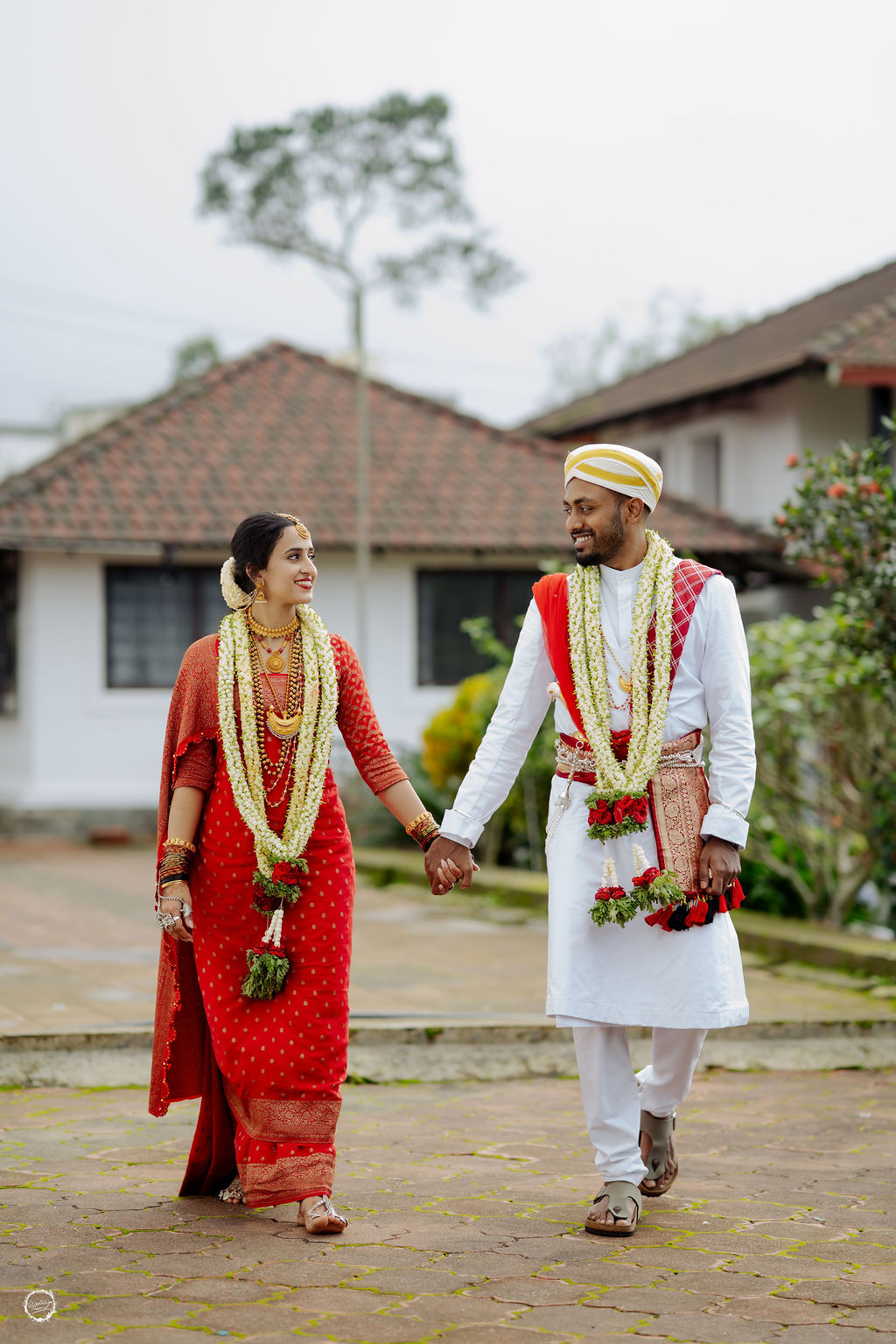
This works especially well for candid shots. When people are walking between buildings or standing in a doorway, the contrast between light and shadow tells a story. It is not about perfect skin; it is about capturing a moment with energy and texture.
Camera Settings That Save the Day
Your settings matter, but they are simpler than most people think. The goal is to control the light hitting the sensor, not to overcomplicate things.
- Shutter speed: Keep it above 1/200th of a second to avoid motion blur, especially if there is any breeze.
- Aperture: Use f/2.8 or wider to blur backgrounds, but stop down to f/4 if you need more of the scene in focus.
- ISO: Start at 100 and raise it only if you are in shade or backlight. Modern cameras handle higher ISO well, so do not be afraid of 400 or 800.
- White balance: Set it manually to daylight or shade, depending on where you are shooting. Auto white balance can shift colors unpredictably.
One common mistake is underexposing to protect highlights. That makes shadows black and skin muddy. Instead, expose for the face and let the background fall where it may. You can recover highlights in post, but you cannot recover detail from pure black shadows.
The Post-Production Rescue
Even with perfect technique, harsh light will leave its mark. Post-processing is where you bring everything together, but it should be subtle. Over-editing can make skin look plastic and colors look unnatural.
Start by lowering the highlights and raising the shadows slightly. This balances the exposure across the frame. Then, adjust the white balance to remove any yellow or blue cast. A slight warm tone works well for Indian skin tones, but keep it natural.
For backlit shots, add a touch of clarity to bring back texture in the hair and fabric. For shadow-heavy shots, reduce contrast just a little to soften the look. The goal is to make the image feel like it was shot in beautiful light, not to pretend the sun was not there.
What to Tell the Couple
Your clients will feel the pressure of harsh sunlight more than you do. They are worried about looking tired, sweaty, or washed out. Your job is to reassure them with action, not just words.
Tell them to keep their eyes open and look toward you, not the sun. If they are squinting, move them slightly so the sun is behind them. Give them small movements to do, like walking or adjusting a dupatta, so they are not just standing still and baking.
Plan your schedule around the light. If the ceremony is at noon, shoot portraits in the morning or late afternoon. If that is impossible, scout the venue for shaded spots beforehand. A little preparation goes a long way, and couples notice when you are in control.
Harsh sunlight is not a limitation. It is a condition that separates photographers who react from photographers who think. With the right approach, you can deliver images that feel bright, alive, and completely natural, no matter what the sky decides to do.