The Family Photo Problem Nobody Warns You About
You have planned the ceremony, the outfits, the food. But the moment your wedding coordinator hands you a list of forty family combinations, a quiet panic sets in. Uncle Ramesh is somewhere between the stage and the bar, your grandmother needs to sit down, and the photographer is watching the golden light fade.
Family portraits are not a formality. They are the photographs your parents will frame, the ones your children will ask about. But they are also the fastest way to burn through the time you reserved for your cocktail hour, your couple portraits, and the first half-hour of your reception.
The fix is not more time. It is structure. Here is how to organise family photos in a way that respects everyone's patience and keeps your day moving.
Build the List Before the Wedding, Not During It
Most couples assume the photographer will handle the list on the day. That works only if you have a list. Without one, you stand in the middle of the lawn while someone shouts names, and the group grows or shrinks by accident.
Sit down with both families two weeks before the wedding. Write out every combination you want. Start with the largest group, then break it down into smaller ones. A practical order looks like this:
- Both families together
- Your family plus you and your partner
- Their family plus you and your partner
- Each set of parents with the couple
- Grandparents with the couple
- Siblings and their partners
- Close friends who travelled far
Keep the list to ten or twelve combinations. Every extra group adds two minutes, and two minutes multiplied by ten extra groups is twenty minutes you do not have.
Share the list with your photographer, your coordinator, and one point person from each side. That point person knows where Aunt Meera is at all times. They fetch people before they are needed, not after.
The One Combination Most Couples Forget
Include a photo of just the parents, no couple, no siblings. Your parents have spent twenty-five years building a life together. They will not ask for this photo. You will regret not taking it.
Schedule Family Photos at the Right Moment
The classic mistake is squeezing family portraits between the ceremony and the reception, when everyone is hungry and the bride's makeup is melting. The better window is right after the ceremony, before the cocktail hour, while guests are already gathered and dressed.
If your ceremony ends at 5:00 PM and your reception starts at 7:00 PM, you have a natural block. Announce that family photos will happen immediately after the ceremony. The people you need will be there because they were just at the ceremony. No one has wandered off to the bar yet.
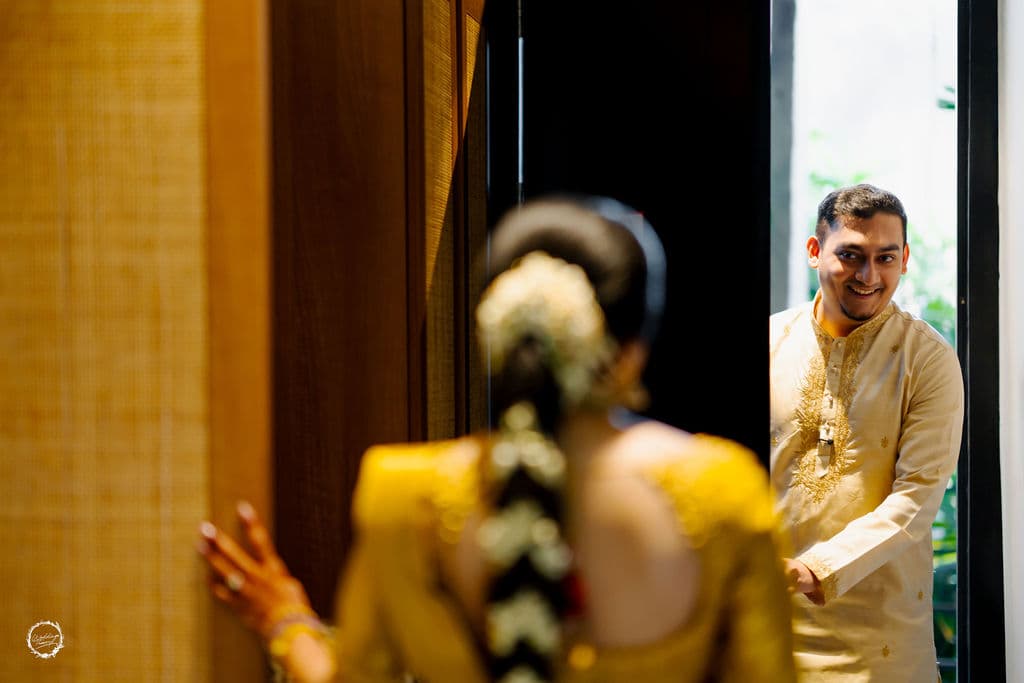
If you are having a first look, do the immediate family portraits before the ceremony. That clears the schedule for extended family and friends after the ceremony. You also get the benefit of photos without the adrenaline rush, which often shows in people's faces.
When You Cannot Avoid the Gap
Some venues have a long break between ceremony and reception. Use that time for the big group shots, but keep the intimate family portraits for the reception. Once dinner is served, people are seated and easy to find. You can pull grandparents aside between courses without disrupting the flow.
Give the Photographer a Workable List, Not a Wish List
A list of forty groups sounds thorough. In practice, it means forty setups, forty adjustments, forty chances for someone to disappear. Your photographer wants to deliver beautiful photos, not spend an hour herding relatives.
Work with your photographer to structure the list. They know how long each group takes and which combinations can be shot quickly by moving people in and out. A good photographer will also tell you which groups can be combined, such as shooting both sets of grandparents together and then separating them with a simple step to the side.
Ask your photographer for a printed list on the day. They will call out names and positions. You do not have to think. You just stand and smile.
The Role of the Family Coordinator
Assign one person per side to manage the flow. This person does not appear in many photos. Their job is to know where each person is and to bring them forward when their group is called. This is not a job for the bride or groom. You have enough to think about.
The coordinator should also handle the stragglers. When Uncle Ramesh is still at the bar, the coordinator fetches him, not your photographer. The photographer keeps shooting.
Keep the Energy Light and Move Fast
Family photos fail when they feel like a chore. The photographer sets up, everyone shuffles, someone jokes about being hungry, and the mood sours. You can prevent that by keeping the session short and the tone playful.
Tell your photographer to shoot candid moments between posed shots. The laugh when your cousin whispers something to your sister, the hug your mother gives you after the formal photo. Those are often the images you love most, and they happen naturally when the session moves quickly.
Set a hard time limit. Thirty minutes for immediate family, twenty for extended. When the time is up, it is up. If someone misses their group, they miss it. You will not remember the missing uncle. You will remember the hour you spent smiling at a camera while your guests enjoyed their drinks.
What to Do When People Refuse to Cooperate
Someone will complain. A cousin will say they hate photos. A grandparent will insist they look old. Do not argue. Let the photographer handle it with a joke and a quick shot. The goal is not perfection. It is documentation.
If you notice the session dragging, step in. Say, "Two more groups and we are done." Give people a countdown. It works.
The Real Payoff of a Tight Schedule
When family photos run on time, you get something more valuable than a schedule that holds. You get to walk into your reception relaxed, with your partner's hand in yours, knowing the important people have been documented. You get to enjoy the evening without glancing at your watch.
The photographs themselves will be better. People smile genuinely when they are not exhausted. The light is better. The energy is better.
Plan the list, assign the coordinators, time the session, and let your photographer do their job. That is how you get family portraits you actually want to frame, without sacrificing the rest of your wedding.
If you are still planning and want a photographer who understands how to move a family session efficiently, talk to us. We have done this at hundreds of Indian weddings, and we know exactly how to keep the energy high and the timeline intact.