
The Forecast That Changes Everything
You checked the weather app fourteen times this morning. The forecast said 60% chance of showers, and now the sky has that grey, heavy look that makes your stomach drop. Rain on your wedding day feels like a personal betrayal, especially after months of planning for golden hour portraits under an open sky.
But here is what most couples don't realize until it actually happens: rain does not ruin wedding photos. It changes them. And sometimes, it makes them better.
The couples who end up with the most striking, emotionally charged images are often the ones who had weather they didn't plan for. The key is knowing how to work with it instead of fighting it.
What Actually Matters When It Rains
Before we get into the practical details, let's talk about what really matters. Your photos are not about the weather. They are about the way you look at each other, the way your family laughs together, the way your hands fit. Rain is just a backdrop, and it can be a stunning one.
That said, there are a few things that genuinely change when the clouds open up. Your timeline, your gear, and your expectations all need a small adjustment. None of it is complicated, but each piece matters.
Your Timeline Needs Breathing Room
The biggest mistake couples make with rain is trying to cram the same outdoor portrait session into a smaller window. That creates stress, and stress shows up in photos. Instead, plan for a longer, more relaxed indoor session with a short outdoor window if the rain lets up.
Talk to your photographer about building in a buffer. A 20-minute delay in the ceremony start is far less noticeable than a rushed portrait session where everyone looks tense.
Gear Protects the Photos, Not the Photographer
Professional photographers carry weather-sealed cameras and lenses for a reason. They also carry umbrellas, both for themselves and for you. But here is the part most people don't think about: your photographer's gear is there to protect your images, not to make them comfortable. A good photographer will happily stand in the rain for the right shot.
What you need to know is that your photographer has a plan. Ask them about it during your consultation. A photographer who has shot weddings in monsoon season will have specific answers, not vague reassurances.
Making Rain Work for Your Photos
Rain is not a neutral condition. It does things to light, color, and mood that clear skies never can. Once you understand those changes, you can use them.
The Light Gets Softer and More Flattering
Overcast skies act like a giant softbox. They diffuse sunlight, eliminating harsh shadows and that squinty, uncomfortable look people get in bright sun. Skin tones look even, eyes stay open, and everyone relaxes because they are not fighting the glare.
This is why some of the most beautiful portrait work happens on cloudy days. The light wraps around your faces in a way that is almost impossible to replicate on a sunny afternoon.
Umbrellas Are Props, Not Just Protection
A transparent umbrella lets the rain fall visibly around you while keeping you dry. A solid black umbrella creates a striking silhouette. Two people under one umbrella naturally lean closer together, and that closeness reads in the photo.
Bring a couple of umbrellas that match your wedding colors or your aesthetic. They give you something to do with your hands and create a natural frame for your faces.
Puddles and Reflections Add Depth
After a light rain, puddles become mirrors. A low-angle shot that captures your reflection can look like something from a film set. The key is to move slowly and deliberately, letting the water settle before the shot.
This is where a photographer with local knowledge earns their fee. They know which spots in your venue will have interesting reflections and which will just be muddy.
The Practical Side: What You Should Actually Do
Beyond the artistic possibilities, there are concrete steps that make a rainy wedding day smoother. These are the details that separate a stressful experience from a memorable one.
- Designate a rain point person. Someone who is not the couple should coordinate with the photographer and venue about backup locations. This keeps decisions away from you on your wedding day.
- Have a backup outfit plan. If you planned an outdoor ceremony, consider a change of shoes or a second outfit for portraits. Wet feet will ruin your mood faster than almost anything else.
- Communicate with your guests early. If the ceremony moves indoors, tell people before they arrive. That way they are not standing outside in the rain wondering where to go.
- Embrace the intimacy. Rain forces people closer together. The photos from a rainy wedding often show more genuine emotion because everyone is huddled under something, laughing about the situation.
When to Cancel Outdoor Shots Entirely
There is a difference between light drizzle and a downpour. If the rain is coming down hard enough to ruin hair and makeup in seconds, it is not worth the effort. Your photographer should make that call and suggest moving indoors.
A good indoor portrait session can be just as beautiful as an outdoor one, especially if the venue has large windows, interesting architecture, or warm lighting. The mood shifts from bright and airy to intimate and rich, which many couples actually prefer.
The Mindset Shift That Changes Everything
Here is the truth that nobody tells you: the couples who have the best wedding photos are not the ones with perfect weather. They are the ones who decided, in advance, that whatever happened would be part of the story.
Rain is not an interruption. It is a texture. It is the reason your hair is slightly tousled and your cheeks are flushed. It is the reason you are laughing instead of posing stiffly. It is the reason the two of you are pressed together under one umbrella, looking at each other like the storm does not matter.
And it does not. Because the photos are not about the sky. They are about the two of you, and the rain just happens to be there.
If you are planning a wedding and worried about the forecast, talk to your photographer about their rainy day approach. Ask to see examples of their work in overcast or wet conditions. The right photographer will not just handle the rain, they will make you look forward to it.
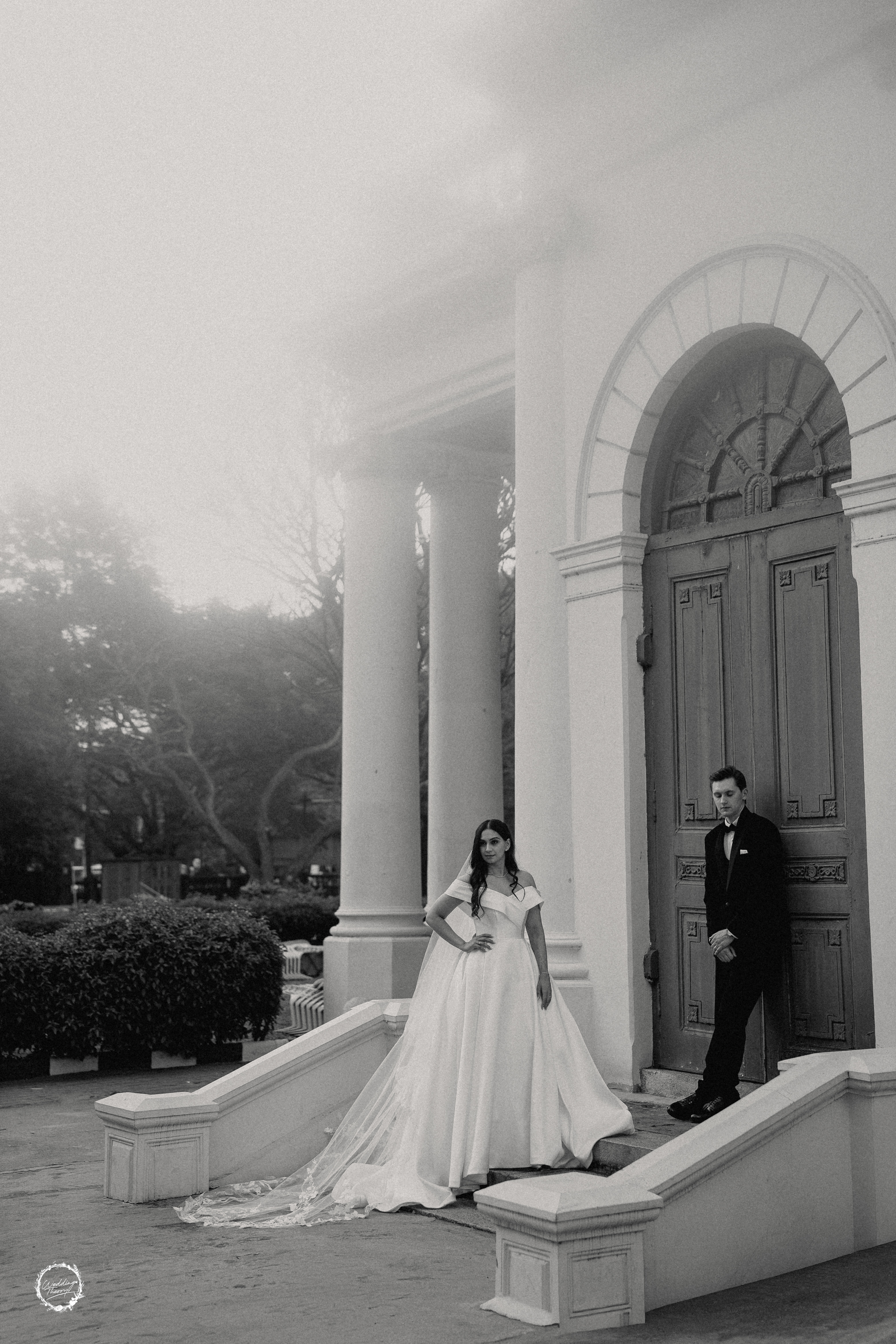
When the clouds open up, you have two choices: stress about what you cannot control, or trust the people you hired to make it beautiful. The couples who choose the second option end up with photographs that feel alive, full of texture and emotion that a perfect sunny day could never provide.
So check the forecast, pack an umbrella, and remind yourself that the weather is just part of the story. The story is still yours.