
The Small Space Advantage
Most couples assume a tiny venue means compromised photos. The opposite is true. Small spaces create intimacy, and intimacy photographs beautifully. The real challenge is technical: tight angles, low light, and limited room for movement.
But you can work with those constraints. In fact, some of the most striking wedding images come from venues that seat fifty, not five hundred. The key is understanding what makes small spaces special and planning around their quirks.
Think about a candlelit dinner in a heritage haveli in Udaipur. The walls are close, the light is warm, and every glance across the table carries weight. That atmosphere is impossible to replicate in a banquet hall. Your photos can carry that feeling, if you prepare for it.
What Your Photographer Needs to Know First
Before the wedding day, have a direct conversation with your photographer about the venue's dimensions, ceiling height, and light sources. Share floor plans, reference images, and any restrictions the venue imposes on equipment or positioning.
This is not the time to hold back details. If the ceremony space is a narrow courtyard, your photographer needs to know whether they can use a wide-angle lens without distortion or if they'll need to rely on a 35mm prime. If the reception room has low ceilings, flash bounce techniques change entirely.
Ask These Specific Questions
- What is the maximum number of guests the space comfortably holds? Overcrowding affects composition more than you'd think.
- Are there windows or natural light sources, and what direction do they face?
- Are there any pillars, beams, or architectural features that could block sightlines?
- Can the photographer scout the location in advance, or at least arrive early on the day?
These answers shape how your photographer plans their shots. A space that looks charming in person can photograph poorly if the photographer hasn't accounted for its limitations.
Work With the Light, Not Against It
Small venues often mean less natural light, especially in the evening. But harsh flash can flatten the mood. The solution is to layer light sources: ambient light from windows or candles, plus soft fill from a reflector or off-camera flash.
Ask your photographer about their approach to low light. Do they push ISO and shoot wide open, or do they use artificial light to supplement? Both are valid, but they produce different aesthetics. A documentary photographer might embrace grain and shadow; a cinematic one might want clean, controlled light.
Also consider scheduling portraits during golden hour, even if the venue is indoors. Position yourself near a window or doorway where the light falls softly. This simple adjustment can transform a cramped corner into a dreamy backdrop.
Make the Space Work for Your Portraits
- Use doorways and archways to frame portraits naturally.
- Lean against walls or sit on steps to create depth without needing extra room.
- Move furniture, like a vintage chair or a stack of cushions, to create a focal point.
- Take advantage of mirrors to add dimension and capture reflections.
These small staging choices give your photographer more to work with, without requiring extra square footage.
Plan Your Timeline Around the Venue's Rhythm
In a large venue, the timeline follows the events. In a small venue, the timeline must follow the space. If the ceremony and reception are in the same room, you'll need a transition period for the staff to flip the layout. That's also the perfect window for couple portraits, while the light is still good.
Coordinate with your planner or venue coordinator to know exactly when the space will be available for photos. If the room is only decorated for a short window before guests arrive, prioritize the shots that matter most: the details, the first look, and the ceremony setup.
Build in Buffer Time for Unexpected Delays
Tight spaces amplify small hiccups. A guest blocking the aisle, a flower arrangement toppling over, or a late vendor can eat into your photo time. Add fifteen minutes of buffer to every major transition. Your photographer will thank you, and you'll feel less rushed.
Also, communicate your must-have shots to your photographer in advance. In a small venue, you may not be able to capture every combination of family members. Decide what's non-negotiable, whether it's a shot with your grandmother or a full-group photo, and let your photographer prioritize accordingly.
Embrace the Candid Moments
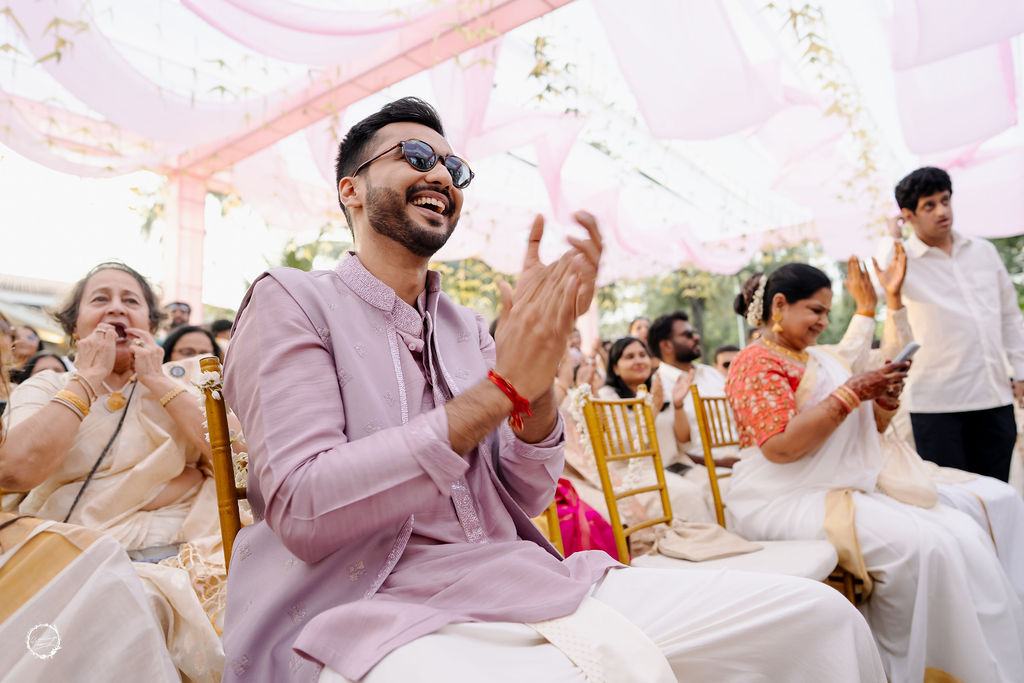
Small venues naturally produce candid moments. Guests are closer, interactions are more frequent, and the energy is palpable. Your photographer should be ready to capture these without intruding.
One of the best things you can do is stay present. Don't worry about the camera. Laugh with your friends, cry with your parents, and let the day unfold. The most authentic images come from moments you forget are being photographed.
For the formal portraits, keep them short and efficient. Then release everyone to enjoy the party. The candid shots of your guests dancing, toasting, and embracing will often become your favorites.
Ultimately, a small venue is not a limitation. It's an invitation to focus on what matters: the people, the emotion, and the story of your day. With the right preparation and a photographer who understands the space, you'll walk away with images that feel intimate, genuine, and entirely you.