
Why Mixed Lighting Is the Real Villain of Wedding Photos
You have chosen a venue with character. Exposed brick, warm tungsten sconces, a wall of windows facing west. It looks romantic in person. But when your photographer raises the camera, that same room turns into a battlefield of color casts and shadows.
Mixed lighting happens when two or more light sources with different color temperatures meet in one frame. Sunlight is blue. Tungsten bulbs are orange. Fluorescent tubes are green. Your skin sits somewhere in between, and the camera has to pick a side.
This is not a problem you can fix in editing later. Well, not fully. The best results come from understanding how light behaves before the shutter clicks.
What Most Couples Get Wrong About Venue Lighting
The common advice is to ask the venue about lighting. But the question is usually too vague. “Will there be good lighting?” gets you a yes that means nothing.
You need to ask specific questions about the actual bulbs and windows. Is the ceremony space lit by daylight only, or are there also tungsten uplights? Are the reception candles real or LED? What color temperature are the string lights overhead? These details change everything.
The Hidden Problem: Your Eyes vs. The Camera
Your eyes are remarkable at adapting. They see a warm, cozy room. The camera sees a mess of orange skin tones next to blue window light. This is why photos from your friend’s phone look nothing like what you remember.
Your photographer will use gels, white balance adjustments, and off-camera flash to balance the scene. But they can only do so much if the room is chaotic. The more control you have over the lighting, the more consistent your photos will be.
How to Work With Your Photographer on Lighting Before the Wedding
Start with a venue walkthrough at the same time of day as your ceremony or reception. If you are getting married at 4 PM, visit at 4 PM. The angle of sunlight changes everything.
Bring your photographer to this walkthrough if possible. They will see things you do not. The glare on the ceiling, the shadow pattern from the chandelier, the exact spot where the light turns from gold to gray.
If your photographer cannot attend, take video. Walk slowly through the space, panning across every area where you will stand. Hold the camera at eye level, not chest level. This gives them a realistic sense of what they will face.
What to Ask the Venue Coordinator
- Are the windows north or south facing? North gives soft, consistent light. South gives harsh, moving light.
- Can any overhead lights be dimmed or switched off individually?
- Are the string lights warm white or cool white?
- Is there a lighting control system, or is it just on/off switches?
These answers will tell your photographer where to position you for the best light and what gear they need to bring.
The Real Fix: Controlled Light in a Chaotic Room
You cannot eliminate mixed lighting. But you can control where it matters most. The key is to decide which light source is dominant and let everything else fall away.
For portraits, find a spot where one light source dominates. A window with no overhead lights on. A corner with only tungsten lamps. Your photographer can then expose for that light and let the rest go dark or soft.
For the reception, the dance floor is often the worst offender. Colored uplights, strobes, and ambient room light all compete. Your photographer will use flash to overpower the room, but you can help by asking the DJ to turn off moving lights during the first dance and toasts.
Why Gelling Isn’t Cheating
Some couples worry that using flash or gels makes photos look artificial. The opposite is true. A small burst of balanced flash can actually make the scene look more natural than relying on the broken light in the room.
Your photographer will match the flash color to the dominant ambient light. If the room is warm, they add a warm gel. If it is cool, they use a cool gel. The result is a photo that looks like the room felt, not like a sterile studio.
Trust the process. The image on the back of the camera may look odd, but the final edit will be beautiful.
How to Plan Your Timeline Around Light
Sunset is the golden hour for a reason. But at most venues, sunset also means the moment when all the artificial lights come on. This creates the most challenging mixed lighting of the day.
If you want clean portraits, schedule them 45 minutes before sunset. This gives you the best of both worlds: soft natural light with no need for flash. Once the sun dips below the horizon, the artificial lights take over, and you lose that window.
For indoor venues, the time of day matters less, but the time of year matters more. A winter wedding at 3 PM will have different light than a summer wedding at 7 PM. Plan your ceremony so that the key moments, like the kiss and the recessional, happen when the light is most flattering.
The One Thing You Should Never Do
Do not ask your photographer to “just fix it in post.” Yes, editing can correct color casts and balance exposure. But it cannot recover detail lost to harsh shadows or blown highlights. And over-edited skin tones look unnatural.
The best photos come from getting it right in camera. That means working with the light you have, not against it. Your photographer will do their part. Do yours by choosing a venue with manageable lighting and being flexible with your schedule.
What This Means for Your Photo Experience
Mixed lighting is not a flaw in your venue. It is a feature of real, lived-in spaces. The goal is not to eliminate it entirely, but to work with it so that your photos feel like the moment, not like a technical exercise.
When you understand how light behaves, you stop worrying about whether the photos will turn out. You start trusting the process and enjoying the day. That trust is what allows your photographer to create images that feel like you, not like a catalog.
If you are still unsure about your venue’s lighting, schedule a walkthrough with your photographer and ask the questions above. The answers will give you confidence, and confidence shows in every frame.
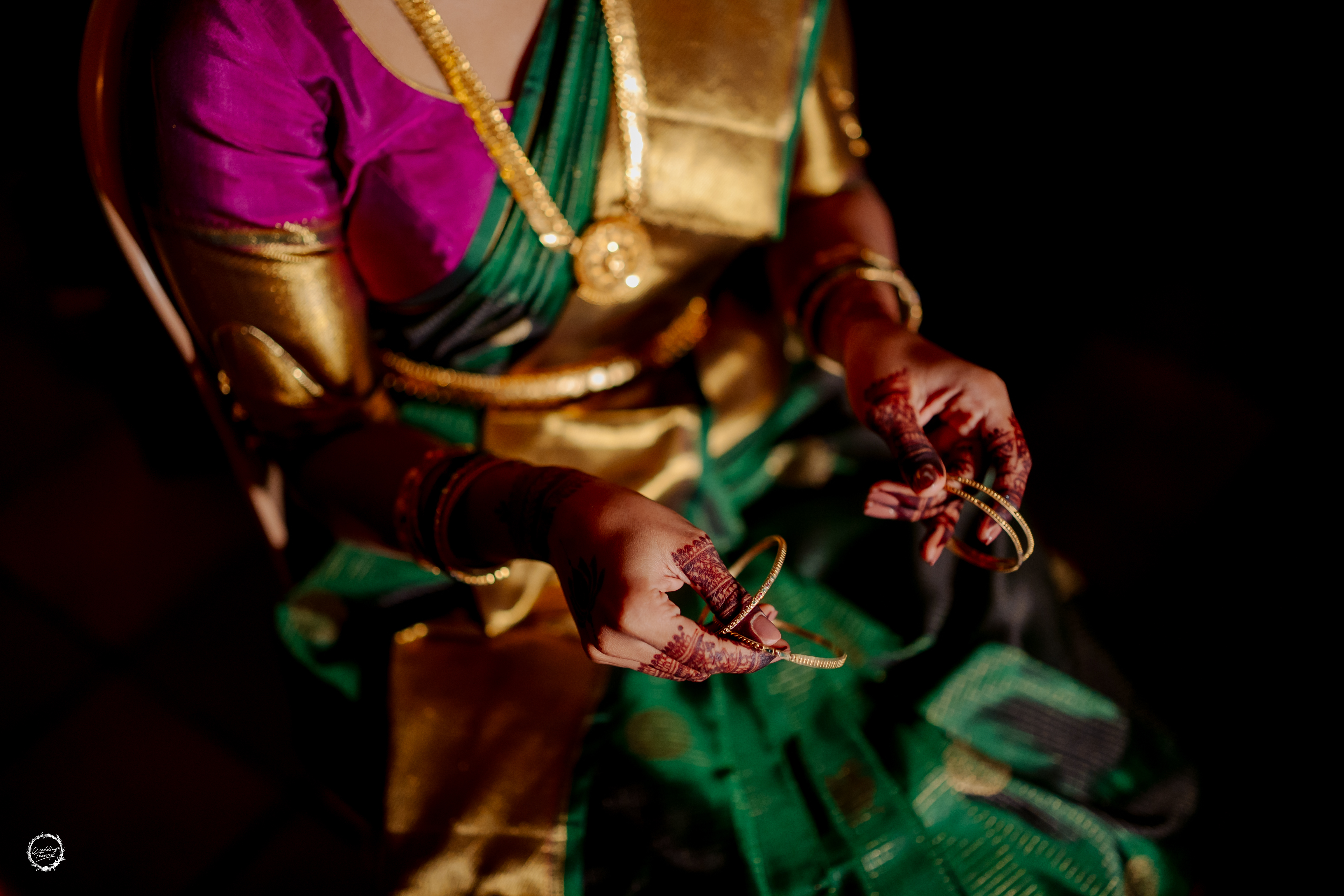
Mixed lighting is a conversation, not a problem. Start that conversation early, and your photos will speak for themselves.