
Why a Shot List Matters More Than You Think
You have probably seen the advice a hundred times: make a shot list, share it with your photographer, check it twice. It sounds like homework, so most couples either skip it entirely or copy a generic template from Pinterest. Both approaches miss the point.
A shot list is not a chore. It is the single most effective tool you have to shape how your wedding is remembered. Without one, your photographer makes educated guesses about what matters to you. With one, you hand them a map of your priorities, your people, and the details that will make your album feel like your life, not someone else's.
The goal is not to micromanage. The goal is to communicate. And when done well, a shot list actually gives your photographer more freedom, because they stop worrying about whether they are missing something and start focusing on being present for what is happening.
The Two Lists You Actually Need
Most couples think one list is enough. In practice, you need two, and they serve completely different purposes.
The Non-Negotiable List
This is the short list of shots that must happen no matter what. It is not a wish list. It is a contract. These are the images that would break your heart if they did not exist.
- Your grandparents, alive and present, looking at the camera
- Your parents seeing you for the first time
- The specific friend who flew in from another country
- The heirloom jewelry or the embroidered dupatta your mother wore
Keep this list under ten items. If it grows beyond that, it stops being a list and becomes a distraction. Your photographer will treat this list as gospel, so only include what truly cannot be missed.
The Flexible Wish List
This is everything else. The candid moments, the detail shots, the creative angles. This list is for inspiration, not obligation. Share it with your photographer, but explicitly tell them it is a guide, not a requirement.
The distinction matters because it changes how your photographer allocates their attention. When they know the non-negotiables are locked, they can relax into the day and chase the fleeting moments that make a wedding feel alive. If every shot carries equal weight, they will miss the real ones while checking boxes.
How to Build a List That Reflects Your Actual Wedding
Generic shot lists are useless because your wedding is not generic. The list needs to be built from the specific details of your day, your venue, and your people.
Start With the Timeline, Not the Template
Open your wedding schedule and walk through it hour by hour. For each block of time, ask what is happening and who will be there. That is your skeleton. The shot list hangs on that skeleton.
If you have a sunrise ceremony, your list will look nothing like a couple getting married at 6 PM. If your reception is in a garden versus a ballroom, the shots change. The timeline forces the list to match reality instead of aspiration.
Name the People, Not the Categories
Instead of writing "bride and groom portraits," write "Aarav and Meera by the banyan tree where we had our first conversation." Instead of "family group shots," write "all the cousins from the Sharma side, the ones who did the flash mob at the sangeet."
Specificity does two things. It tells your photographer exactly what you envision, and it signals which relationships matter most. A photographer cannot read your mind, but they can read a name.
Include the Details That Tell Your Story
Every wedding has details that are meaningless to a stranger but essential to you. The cufflinks your grandfather wore. The mehndi pattern your sister designed. The cake topper that looks like your dog.
These are not filler shots. They are the texture of your day. When you look back in twenty years, these are the images that trigger the memory of how it felt, not just how it looked.
What to Leave Off the List
Just as important as what to include is what to exclude. A shot list that tries to capture everything ends up capturing nothing well.
Leave off the shots that your photographer will get anyway. The first kiss, the ring exchange, the cake cutting. These are standard for a reason, and listing them wastes space and attention.
Leave off anything that requires staging a moment that did not happen naturally. If you want a photo of your bridesmaids laughing together, that is fine. But if they spent the whole morning stressed and rushing, forcing that shot will produce something stiff and false. Trust the day to give you the moments, and use the list only for the ones you need to manufacture.
How to Deliver the List Without Becoming a Taskmaster
The way you hand over the list matters as much as the list itself. A well-intentioned list delivered poorly can make your photographer defensive or robotic.
Send it a week before the wedding, not the night before. Include a short note that frames it as collaboration, not control. Something like: "These are the moments we absolutely cannot miss, and the rest is just inspiration. We trust you completely."
Then let go. On the day, do not chase your photographer to check items off. The list has done its job the moment it is shared. Your job is to be present, and your photographer's job is to look after the rest.
A good shot list is not a leash. It is a love letter to the people and details that make your wedding yours. Write it with care, hand it over with trust, and then let the day unfold.
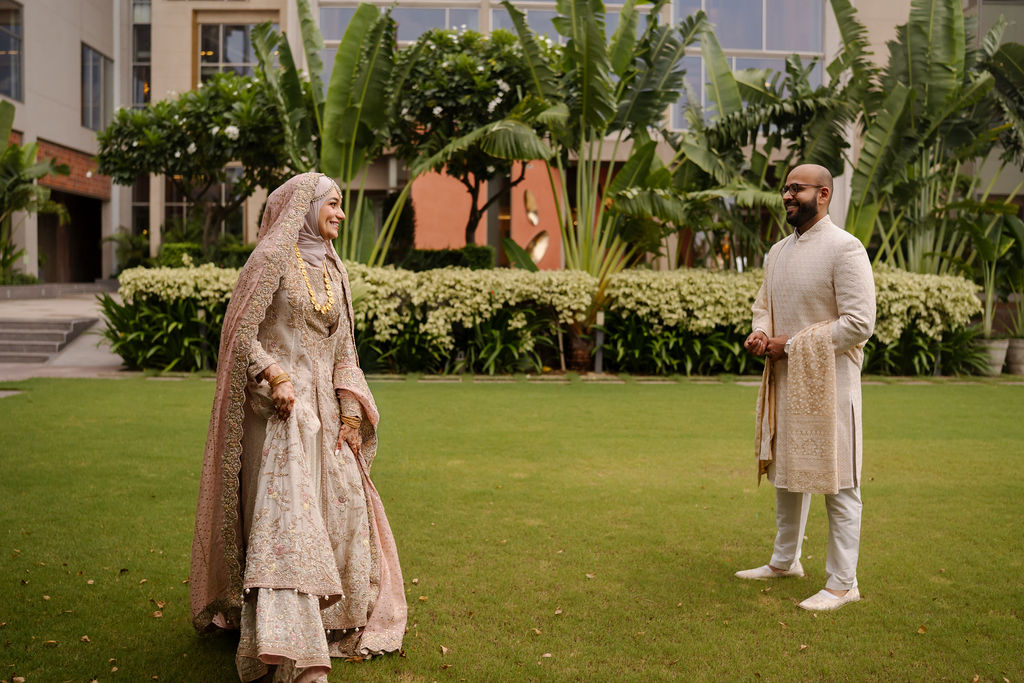
The best shot lists are short enough to be felt, not just read. If yours takes more than one page, cut it down until it hurts. The discipline of editing is what makes the remaining shots matter.