
Start With the Photos You Already Love
Before you open a single photographer's website, open your own camera roll. Find the photos of yourself that you actually like. Not the ones taken at someone else's wedding where you were a guest, and not the ones where you are squinting into a group shot. The candids. The one where you are mid-laugh and did not know the camera was there.
That instinct is your brief. It tells you more about what you want than any style quiz will.
Most couples begin by searching "best wedding photographer near me" and end up scrolling through hundreds of near-identical portfolios. Everyone's work looks beautiful at thumbnail size. The differentiator is not whether a photographer can take a pretty photo of a couple at golden hour. It is whether their eye matches the way you want to remember the day.
Three things to notice in a portfolio
- How do they handle real emotion? Look for a crying parent, a nervous laugh during vows, a friend doubled over. If those frames feel raw rather than staged, that is a good sign.
- How do they shoot in bad light? Any photographer can deliver at sunset. Ask to see a ceremony inside a dim hall, a reception under mixed tungsten and DJ lights.
- How consistent is the editing? A portfolio that swings from warm and filmic to cold and contrasty usually means the photographer is still figuring out their own voice, or is outsourcing the edits.
If you can look at twenty images and describe the photographer's personality from them, you are looking at someone with a point of view. That matters more than the gear list.
Decide What You Actually Want Documented
There is a quiet assumption that a wedding photographer covers everything: getting ready, first look, ceremony, cocktail hour, portraits, reception, dancing, exit. In practice, most couples care deeply about four or five of those and feel neutral about the rest. Knowing which is which before you inquire saves you money and saves the photographer from guessing.
Ask yourselves a blunt question: if we only had twenty photos from the day, which twenty moments would they be? Write them down. That list is the actual scope of work.
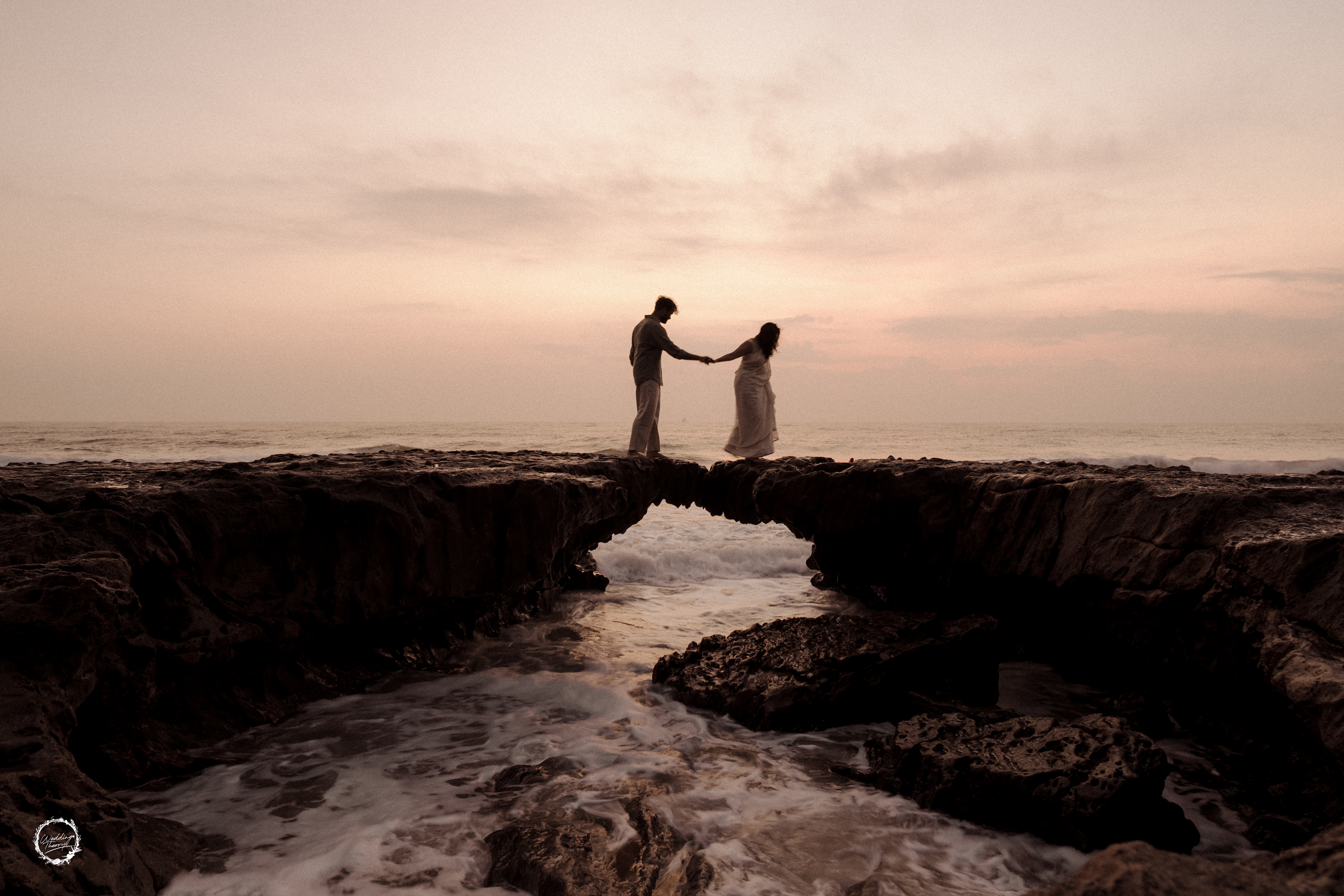
Candid, editorial, or traditional
These labels get thrown around loosely, so here is what they tend to mean in practice.
- Candid or documentary: the photographer stays out of the way and reacts to what happens. Fewer posed portraits, more real moments. Great if you hate being directed.
- Editorial: a more deliberate, magazine-style approach. The photographer directs poses and light but aims for images that feel composed rather than natural. Great if you want a specific aesthetic.
- Traditional: structured shot lists, formal family groupings, predictable coverage. Reliable, but rarely surprising.
Most strong photographers blend these. The question is not which label they use, but which mode they default to when the schedule gets tight. Ask them directly: "When the timeline slips, what do you protect first?" Their answer reveals their priorities.
Read the Contract Like You Mean It
The contract is where good intentions meet reality. Most disputes between couples and photographers are not about talent. They are about deliverables, timelines, and who owns what.
What to check before you sign
- Delivery timeline: "Within 6 to 8 weeks" is standard for full galleries. Get it in writing, including what happens if they miss it.
- Number of images: Some photographers promise 400 edited images, others 800. What matters is whether they cull the bad ones. Ask how many they typically shoot and how many they deliver.
- Backup and storage: Ask how images are backed up on the day and how long they are archived. A photographer who shoots to a single card is a risk you should not take.
- Usage rights: You should have personal printing rights. They will likely retain the right to use images in their portfolio. That is normal, but read the clause.
- Second shooter: If they bring one, find out who and whether that person is paid separately.
If a photographer is evasive about any of this, treat it as a signal. The best ones will answer these questions before you ask.
Talk to Them Before You Book
A portfolio tells you what they can do. A conversation tells you what they will be like on the day. You will spend more hours with your photographer than almost anyone else at the wedding, including some family members.
Ask about a wedding that went sideways. A ceremony running two hours late, a sudden downpour, a family conflict during portraits. How they handled it matters more than how they handled the perfect ones.
Pay attention to whether they ask you questions. A photographer who only talks about themselves is a photographer who will direct the day according to their own comfort, not yours.
Red flags worth walking away from
- They cannot show you a full gallery from a recent wedding, only a highlight reel.
- They pressure you to book on the call.
- They dismiss your questions about backups or contracts as "not something you need to worry about."
- Their response time to your first email is already slow. It will not improve after you pay a deposit.
None of this is about finding the most expensive photographer. It is about finding the one whose instincts, communication, and paperwork match the way you want to be treated. When those three line up, the photos tend to take care of themselves.