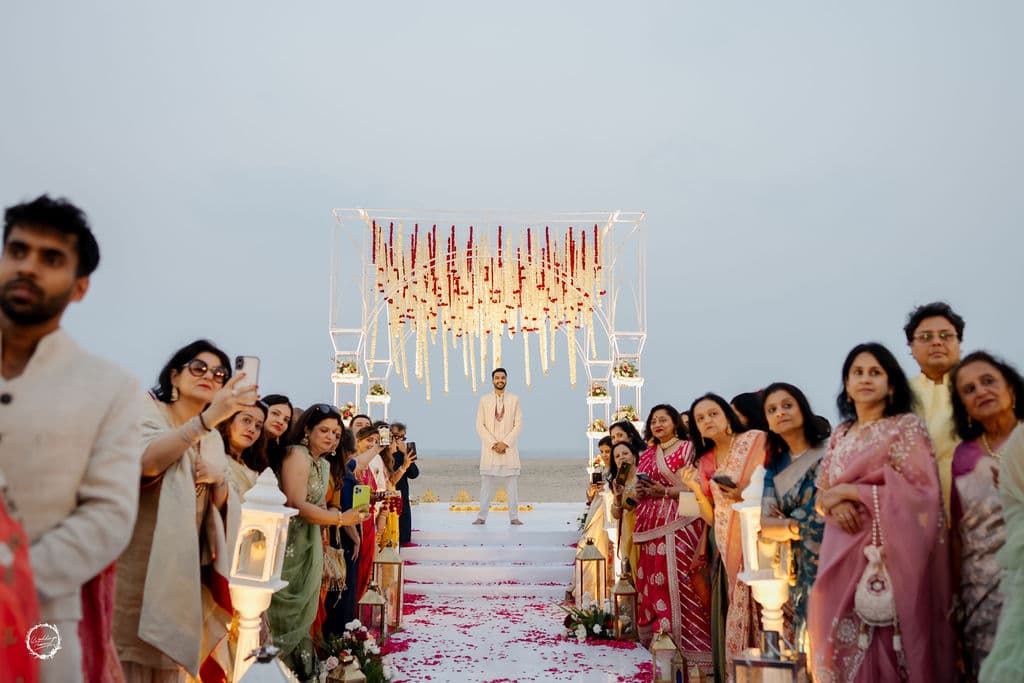
The Last Quiet Minutes
There is a moment, about twenty minutes before the ceremony, when the house falls still. The photographers have finished the staged shots, the family members have scattered to their seats, and the couple is alone with their thoughts. This is the hardest moment to photograph well, and the easiest to ruin.
Most couples expect the photographer to disappear during this time, to give them space. But the best images from a wedding day often come from this exact stretch. The question is how to be present without being intrusive, how to capture nerves, hope, and stillness without making the couple feel watched.
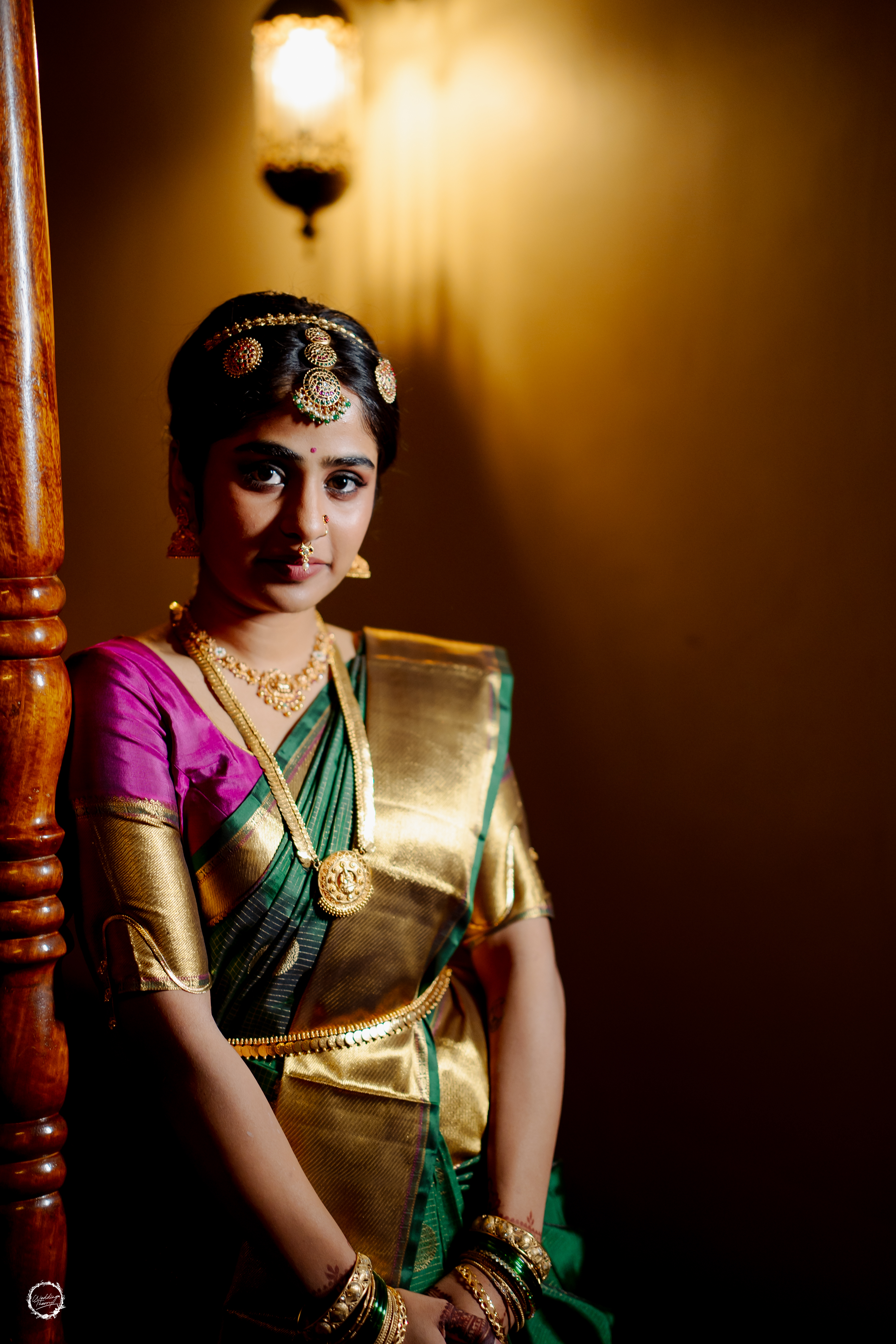
Why This Window Matters
The minutes before the ceremony carry a different emotional weight than any other part of the day. The adrenaline has peaked, the decisions are made, and there is nothing left to do but wait. That wait is where the real story lives.
You can see it in the way the bride's hands rest on her lap, the way the groom adjusts his cufflinks for the third time, the way a father looks at his daughter when he thinks no one is watching. These are not poses. They are unguarded moments that disappear the second the doors open.
The Emotional Stakes
For the couple, this is the last time they are two separate people. In twenty minutes, they become a unit. That transition is worth documenting, not just for the album, but for the feeling it preserves. Years later, they will want to remember what it felt like to be nervous, not just how they looked.
For the photographer, this is a test of observation. The couple is not performing. There is no direction to give, no pose to adjust. The only job is to notice what is already there.
How to Work the Space Without Interrupting
The approach has to be different from the rest of the day. During getting-ready shots, you are an active participant, directing, adjusting, suggesting. In these final minutes, you shift into a different mode entirely.
- Position yourself early, before the couple settles into their own silence. Choose a spot that gives you a clear line of sight without putting you in their peripheral vision.
- Use a longer lens and stay still. Movement draws attention. A fixed position lets the moment unfold naturally around you.
- Shoot in short bursts. A few frames every couple of minutes feels less invasive than a constant shutter.
- Watch the light. If the room has a window, wait for the sun to shift. The quality of light changes quickly in the last minutes before a ceremony.
What to Look For
The obvious shots are the ones you already know: the bride looking in the mirror, the groom checking his watch. The less obvious ones are where the real emotion sits. A mother smoothing a daughter's hair. A best man squeezing a shoulder. The couple exchanging a look across the room that says everything they are not saying out loud.
These are not moments you can stage. They happen because you gave them room to happen.
The Technical Side of Quiet
Low light is common in these final minutes. The ceremony space is often dim, and the couple is usually indoors. This is where knowing your camera matters more than knowing your poses.
Shoot wide open to let in as much light as possible. Push your ISO higher than you normally would. The grain in these images will not look like a mistake; it will look like texture, like the feeling of the moment itself. The sharpness of the image matters less than the truth of the expression.
When to Step Back
There is a point where you have what you need. The couple is about to walk out, and your presence is no longer an observation, it is an interruption. This is the moment to lower the camera and let them have the last few seconds alone.
The best photographers know when to stop shooting. The image you do not take is sometimes the one that matters most.
What This Means for Your Wedding Day
If you are planning your wedding, the final moments before the ceremony are not a gap in the schedule. They are a gift. Tell your photographer that this time matters to you. Ask them to be present for it, but to give you space within it.
The photographs from these minutes will not be the ones you post on social media. They will be the ones you frame, the ones you look at on anniversaries, the ones that remind you what it felt like to be on the edge of something new.
That is worth protecting.