
Why Buffer Time Is the Real Hero of Your Timeline
Most couples plan their wedding day like a train schedule. Ceremony at 5:00, dinner at 7:30, first dance at 9:00. Every minute accounted for, every transition mapped. Then the makeup runs ten minutes late, the uncle's speech goes long, and the golden hour you wanted for portraits slips away while everyone is still finishing dessert.
Buffer time is the gap you leave between those fixed points. Not empty time, but flexible time that absorbs the small delays that always happen. In our experience shooting hundreds of Indian weddings, the couples who build in buffer are the ones who end the night relaxed. The ones who don't are the ones we see apologizing to guests while we rush through family photos.
This guide walks through where buffer matters most, how much you actually need, and the specific spots where a little extra time changes the entire feel of your photography.
Where Weddings Actually Fall Behind
Every wedding has a few predictable pressure points. Knowing them in advance lets you place buffer where it will do the most good.
The Getting-Ready Window
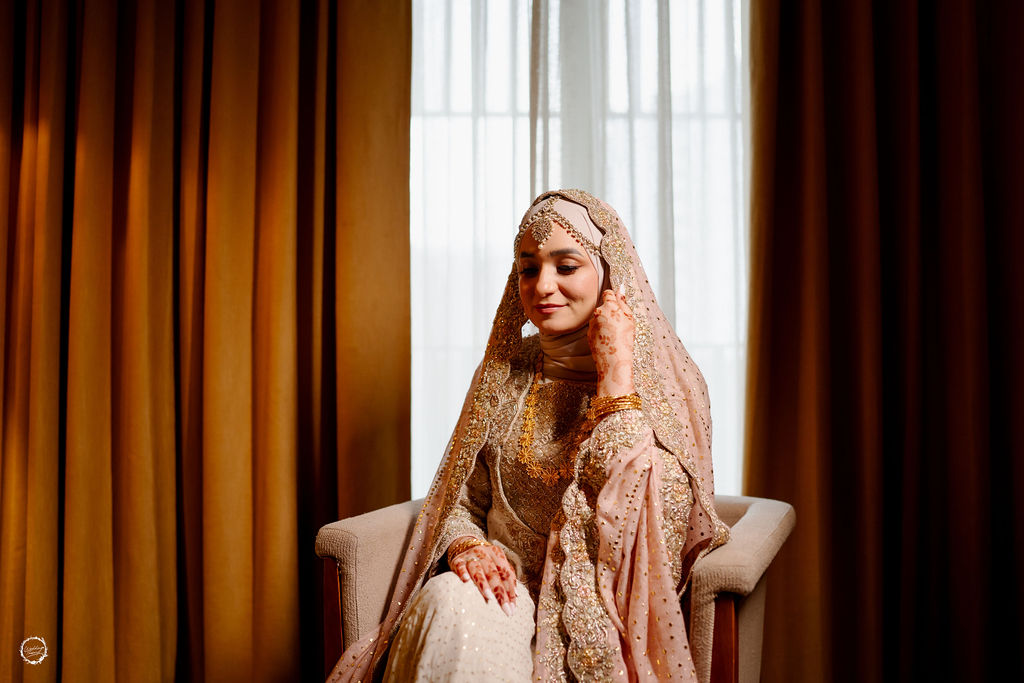
Hair and makeup almost never finish on schedule. The artist quotes three hours, but touch-ups, outfit changes, and the inevitable missing bindi push it closer to four. If your photography coverage starts right when you think you'll be ready, you lose the calm getting-ready shots that feel so intimate later.
Build at least thirty minutes of slack between the stated makeup end time and your first scheduled event. That gives you room to breathe, sip chai, and let your photographer capture you in a quiet moment before the chaos begins.
Travel Between Venues
Indian weddings often move between a home, a mandap, and a reception hall. Google Maps says twenty minutes, but traffic, parking, and the sheer number of people who need to relocate always stretch it. Add fifteen minutes to every travel estimate and treat that as your base time.
If you are moving from a morning puja to an afternoon ceremony, consider scheduling a short break at the second venue. Fifteen minutes of buffer there means you arrive composed instead of rushing through the door with your dupatta flying.
The Food Factor
Meals run late. Caterers set up slower than promised, guests linger over the chaat counter, and the couple often eats last. If your photographer is scheduled to shoot the cake cutting at 8:00 but dinner only starts at 7:45, that entire segment gets compressed.
Ask your planner for the actual serving timeline, not the printed one. Then add twenty minutes after each meal service before scheduling anything photography-critical.
How Much Buffer Is Enough
There is no universal number, but a useful rule of thumb is fifteen percent of your total wedding day. A twelve-hour day gets roughly ninety minutes of buffer spread across the key transitions. That sounds like a lot until you realize how quickly ten-minute delays stack up.
Here is a practical breakdown for a typical Indian wedding day:
- Getting ready: 30 minutes of slack after hair and makeup
- Travel between venues: 15 minutes added to each leg
- Between ceremony and reception: 30 minutes for portraits and guest mingling
- Before the first dance or exit: 15 minutes to regroup
These numbers work because they target the moments where stress actually builds. You do not need buffer at the start of the baraat when everyone is already hyped. You need it right before the couple is supposed to sit down for their first meal together.
How to Protect Buffer Once It Exists
Buffer only works if you treat it as sacred. The moment someone says, "We can just start the ceremony ten minutes early," your cushion evaporates. Here is how to keep it intact.
Communicate the Buffer to Your Vendors
Tell your photographer, videographer, and planner that certain time slots are intentionally flexible. When your makeup artist hears you have thirty minutes of slack, she will not panic if she runs over. When your photographer knows the post-ceremony slot is padded, he can suggest a spontaneous portrait location instead of rushing you back inside.
We have seen couples who keep their buffer a secret, and it backfires. Vendors assume every minute is critical and start making decisions that compress your day. Transparency lets everyone relax into the flow.
Designate a Timekeeper
Pick one person, your wedding planner or a trusted friend, whose only job is to watch the clock and gently pull people along. This is not the couple's job. You should be present in each moment, not calculating how many minutes until the pheras.
The timekeeper's role is to catch the small delays early. If the photographer needs ten extra minutes for family shots, the timekeeper knows exactly where that time can come from without touching the buffer you built for the couple portraits.
Build a Decision Tree for the Golden Hour
Golden hour, that brief window after sunset, is when the most beautiful portraits happen. But it is also the most fragile time of day. If the ceremony runs long, you lose it entirely.
Decide in advance what gets cut if you are running behind. Maybe family portraits get trimmed from twenty minutes to ten. Maybe the couple portraits move to a different location closer to the reception hall. Having these decisions made before the day starts means you never have to make them under pressure.
The Hidden Benefit of Buffer: Better Photos
Buffer time is not just about avoiding stress. It directly improves the quality of your photography. A photographer who is not rushing has time to wait for the right expression, adjust the light, and capture the in-between moments that candid photography thrives on.
When we shoot a wedding with generous buffer, we get shots we simply cannot get on a tight timeline. The grandmother adjusting the bride's veil because there is no pressure to move on. The groom laughing with his cousins during a lull. These are not planned images. They happen because someone built space for them.
Think of buffer as the gift you give your future self. On the day, it feels like nothing. You will not notice the extra fifteen minutes before the ceremony. But when you look back at your gallery, you will see the calm in your own face, the unhurried moments with your family, and the portraits taken at the exact right light. That is what buffer buys you.
If you are in the middle of planning and want a second pair of eyes on your timeline, our team reviews schedules for couples before their wedding day. We can point out the spots where an extra ten minutes will matter most, based on how we actually shoot. It is a small conversation that saves a lot of regret later.