The Photos You Never Saw Coming
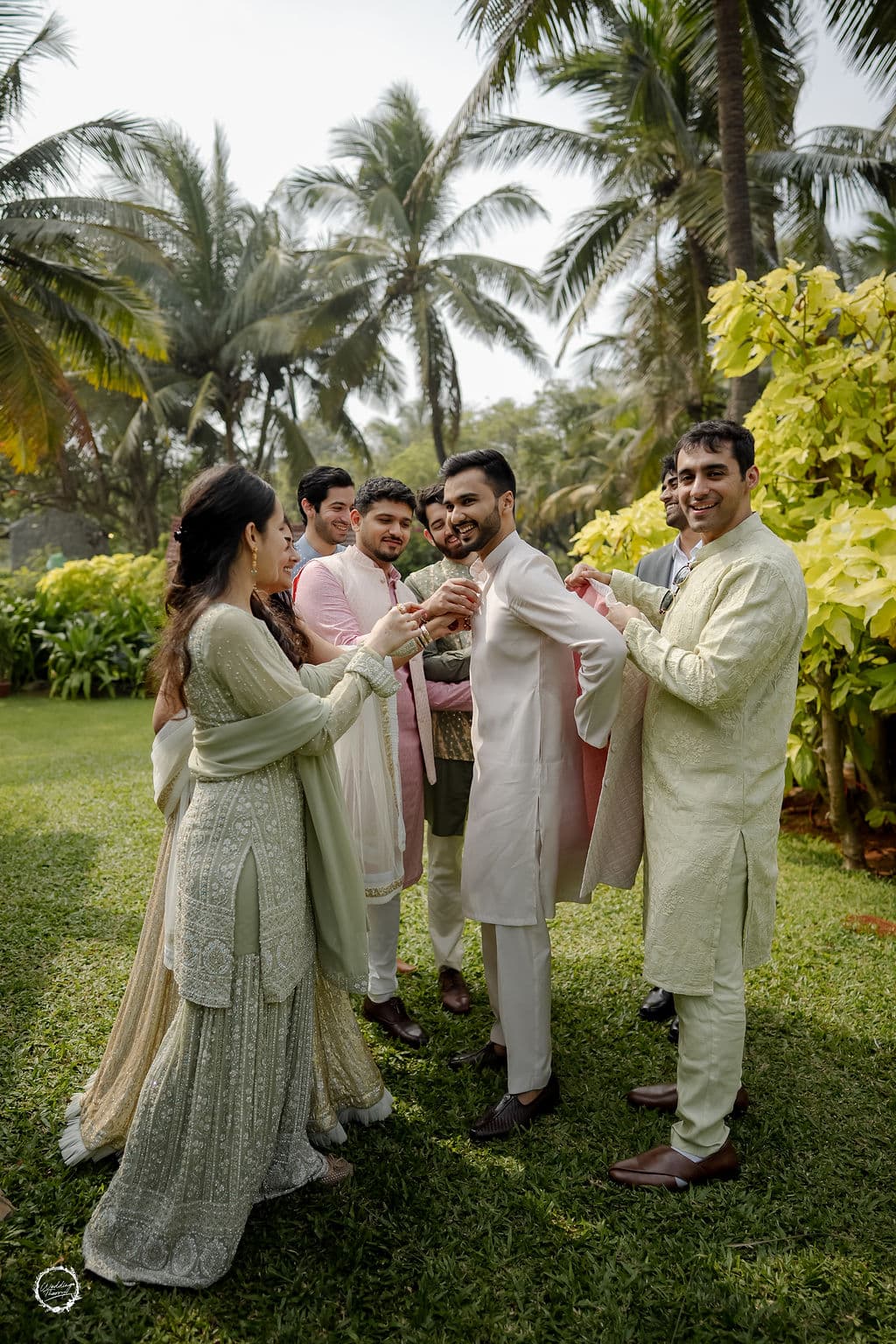
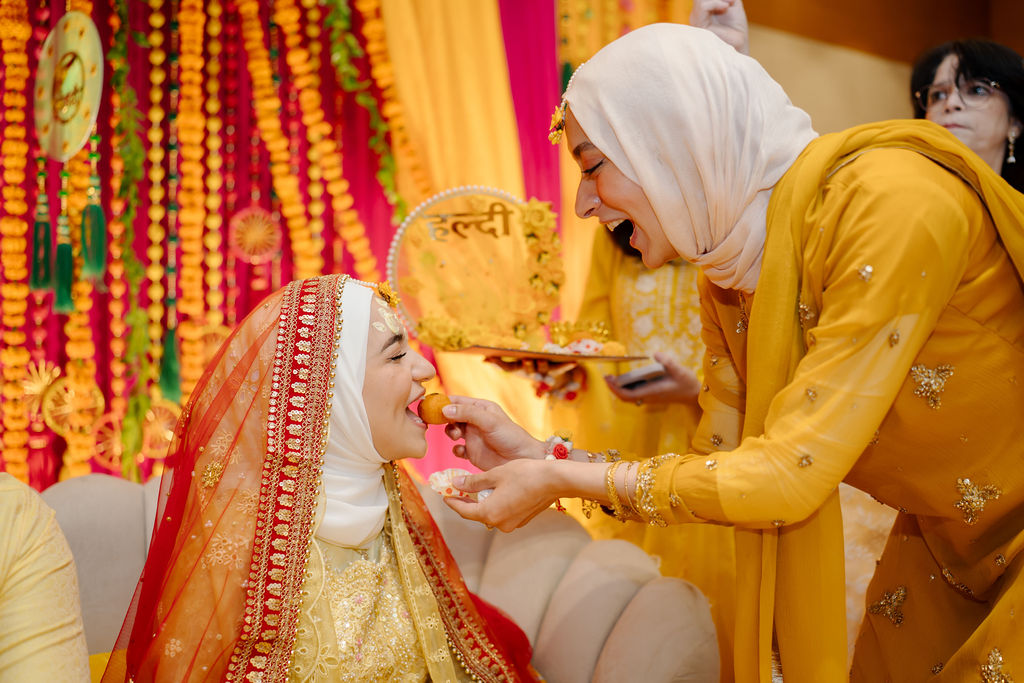
Ask a couple which images they treasure most from their wedding, and the answer is rarely the posed portrait by the mandap. It is the photograph of a grandmother adjusting her pallu, caught sideways while the haldi was being applied. Or a father standing alone in a corridor, straightening his sherwani, unaware anyone was watching. These are the frames nobody planned, and they are almost always the ones that end up framed on a wall.
So how does a photographer end up in the right place at the right second, over and over, without staging a thing? It is not luck, and it is not some mystical gift. It is preparation, positioning, and a working knowledge of how Indian weddings actually unfold, hour by hour, room by room.
Why the Best Moments Are the Ones Nobody Announced
Every wedding has two timelines running at once. The first is the printed one: baraat at six, varmala at eight, dinner at nine. The second is the human one, and it does not follow a schedule. A mother crying in the kitchen while the caterer asks her a question. Two cousins reuniting after years, mid-embrace. A bride's hands trembling slightly as her sister fastens the kaleere.
Photographers who work in a documentary style are essentially tracking that second timeline. They are not waiting for instructions. They are reading people.
The quiet signals that something is about to happen
Experienced photographers learn to notice small physical cues. A father clearing his throat and stepping away from the crowd usually means he is about to compose himself, or say something private to his daughter. A group of friends glancing at each other and grinning means a surprise is seconds away. A grandmother reaching for her glasses often precedes a moment of real emotion.
None of this is scripted. It is just pattern recognition, built over hundreds of weddings, and it is the difference between a photographer who waits to be told where to stand and one who already knows.
The Craft Behind the Candid Frame
There is a misconception that candid photography is easier than posed photography. In reality, it is harder. You cannot ask anyone to hold still. You have one chance, often in poor light, with people moving. The technical decisions happen in a fraction of a second.
Anticipating instead of reacting
The single most useful skill in wedding photography is anticipation. A photographer who reacts will always be half a second late. Someone who anticipates has already framed the shot before the moment arrives. During a varmala, for instance, the moment the couple lifts the garlands, an anticipating photographer has already positioned themselves to catch the mother's face in the background, not just the garlands themselves.
Working with light that refuses to cooperate
Indian weddings are a masterclass in difficult lighting. A mandap at noon throws harsh shadows. A sangeet at midnight is lit by coloured LEDs and a moving disco ball. A church ceremony may have beautiful stained glass and almost no usable light on the faces. The photographers who deliver consistent work are the ones who have learned to read a room in seconds and adjust without interrupting anything.
- They carry fast prime lenses for low-light situations where a flash would ruin the mood.
- They know when to use a flash creatively, such as during a baraat at night, and when to switch it off entirely.
- They scout the venue before guests arrive, noting where the light will fall during each ritual.
Staying invisible in a crowded room
Being unnoticed is a skill in itself. A photographer who is constantly in the middle of the action changes how people behave. The goal is to become part of the furniture, present but not intrusive. This means knowing when to step back, when to use a longer lens from across the room, and when to simply wait.
It also means respecting the rituals. During certain ceremonies, the family needs space, and a photographer who understands that will get better images than one who pushes in. The best documentary photographers know the difference between being close and being in the way.
What This Means for Your Own Wedding
If you are planning a wedding and want these kinds of photographs, the most useful thing you can do is choose a photographer whose instincts you trust, then let them work. Over-directing a documentary photographer is like asking a jazz musician to play from sheet music. The magic comes from the freedom to respond.
What to look for when reviewing a portfolio
When you look at a photographer's work, pay attention to the images that were clearly not posed. Are the expressions genuine? Is the composition interesting even in chaos? Do the photographs tell you something about the people in them, or do they just show you what everyone was wearing? A strong portfolio will have images that feel like they were taken by someone who was paying attention, not just present.
A note on trust and timing
The couples who end up with the most meaningful photographs are usually the ones who built a real rapport with their photographer before the wedding. A pre-wedding shoot or a long conversation over coffee helps. When a photographer knows your family dynamics, they know where to look. They know that your mother will cry during the vidaai, that your best friend will make a speech that lands badly, that your grandfather will want a quiet moment alone before the ceremony. That knowledge is what turns a good photograph into one you cannot stop looking at.
If you are planning a wedding in Delhi, Mumbai, or anywhere else in India, and you want images that capture the parts of the day you missed, the first step is finding a photographer who understands that the best moments are the ones nobody planned. The second step is letting them do their job.