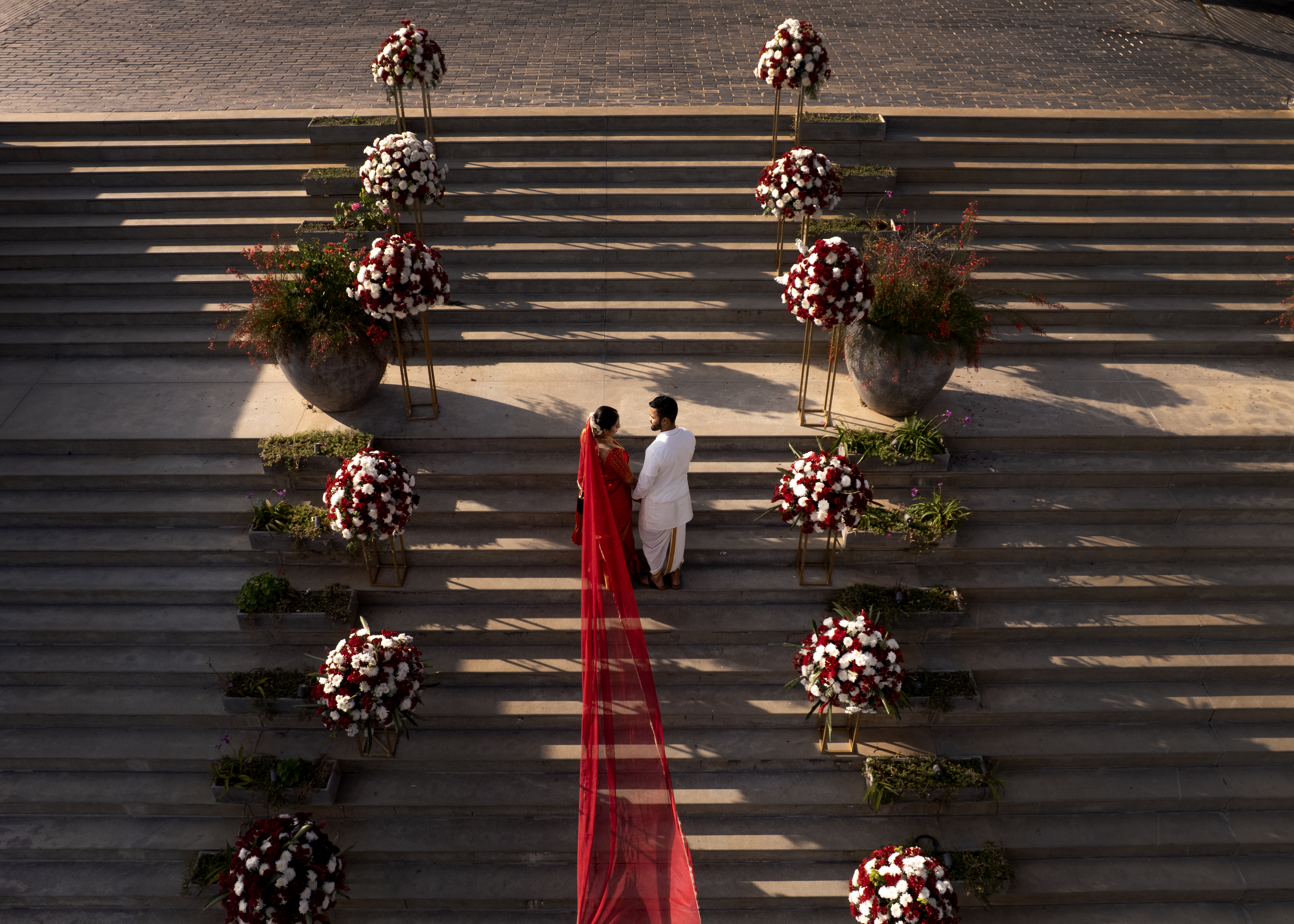
Why the Getting Ready Hours Decide How the Rest of the Day Feels
Ask any couple which part of the wedding day they remember most vividly, and it usually isn't the ceremony. It's the hours before it, when a room full of people are still in the process of becoming the versions of themselves who will walk down the aisle.
The getting ready window is the only stretch of the day that belongs entirely to the people you love most, before the schedule takes over. It's also the window most couples underestimate when they're building a timeline.
What follows isn't a shot list. It's a way to think about those hours so the photographs from them actually look like the morning you remember living.
Deciding Where You Get Ready Is a Photography Decision
Most couples choose a getting ready location based on convenience or proximity to the venue. That's reasonable, but it's only half the calculation. The room itself determines the quality of light, the sense of space, and how much of the morning feels calm versus cramped.
Light first, everything else second
Windows facing north or east give soft, consistent light through the morning. Rooms with a single small window, or windows blocked by heavy drapes, force the photographer to work against the space instead of with it. If you have a choice between a larger room with good windows and a smaller room with great windows, take the smaller one.
Space for people, not just for you
A suite that fits the couple comfortably can still feel like a bottleneck once parents, siblings, and the bridal party arrive. Look for a room with a separate area where people can gather without crowding the mirror. That separation is what allows the quiet, unposed moments to happen at all.
The hotel suite question
A hotel suite is often the practical answer, and it usually works. What matters is whether the suite has a living area distinct from the bedroom. That second room becomes the natural home for the candid, in-between photographs: someone zipping a dress, a father adjusting a tie, a friend passing a cup of chai.
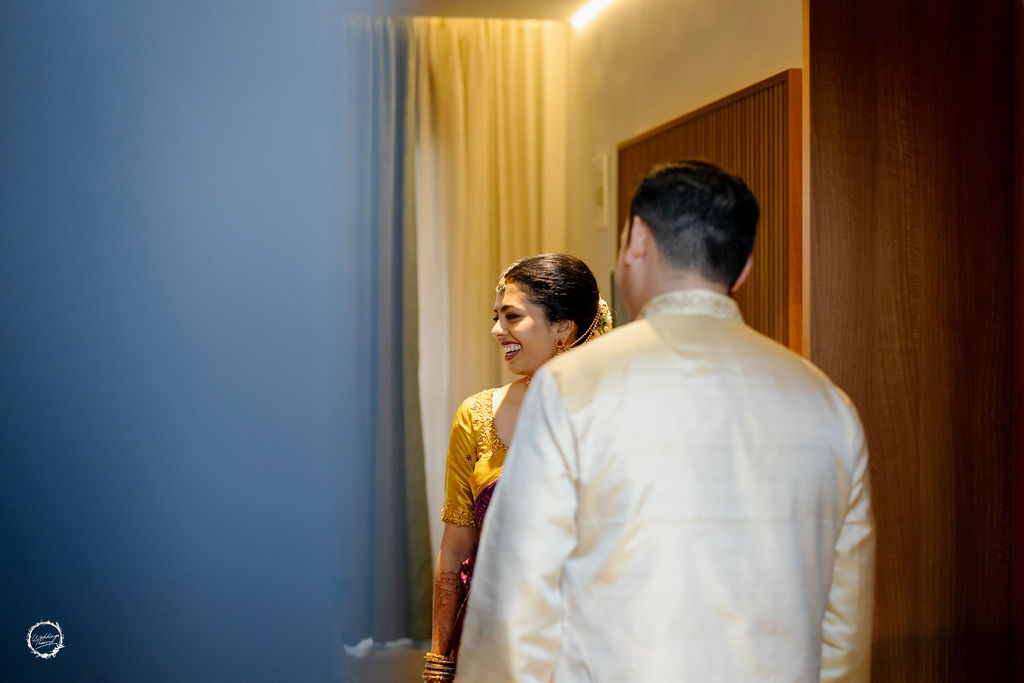
How Long Getting Ready Coverage Actually Takes
Couples routinely budget an hour for getting ready photographs and then wonder why the morning felt rushed. The honest answer is that the photographs take less time than most people fear, but the morning around them takes more.
Here's a rough shape, though every wedding bends it:
- Hair and makeup, final hour: This is when the room is busiest and the least photogenic, which is exactly why it's worth documenting. Candid coverage here is about texture and energy, not posed portraits.
- Details, 20 to 30 minutes: The dress, the shoes, the jewelry, the invitation suite, the heirloom something borrowed. These are usually photographed while you're still in the chair.
- Getting into the outfit, 20 to 30 minutes: This is the emotional center of the morning. It deserves its own unhurried window, not a five-minute slot squeezed between other things.
- Portraits with your people, 20 to 30 minutes: Immediate family, the bridal party, anyone you want a real photograph with before the day accelerates.
- Buffer, 15 minutes: Something always runs late. The buffer is what keeps the rest of the morning from feeling like a countdown.
Add it up and you're looking at roughly two to two and a half hours of coverage for one partner, and closer to ninety minutes for the other, depending on how much preparation is involved. If both partners are getting ready in the same location, a two-photographer team can cover both simultaneously, which is usually the difference between a relaxed morning and a frantic one.
The Moments Worth Protecting
Some of the most requested photographs from the getting ready hours aren't the ones couples plan for. They're the ones that happen because the room was set up to let them happen.
The quiet minutes before the outfit goes on
There's a specific stillness just before someone steps into their wedding clothes. If the photographer is in the room and the schedule allows for it, that stillness is often the most honest frame of the entire day.
The first look with a parent
More couples are choosing to do a first look with a parent or sibling before the ceremony. It's a small addition to the timeline that tends to produce the kind of reaction no posed photograph can replicate.
The letters, the gifts, the last text
If you're exchanging notes or gifts before the ceremony, hand them over during the getting ready window rather than at the altar. The reaction is unguarded, and the photographs show it.
The group shot that isn't stiff
A bridal party photograph taken in the getting ready room, in robes or partial outfits, usually reads warmer than the formal version taken later. It's worth the ten minutes.
A Few Practical Notes That Save the Morning
Small decisions made the night before carry more weight than most couples expect.
- Eat something. A real breakfast, not a smoothie. Hunger shows up in photographs as tension, and it's avoidable.
- Keep the room tidy, not perfect. Bags and shoes in the frame are fine. A room that looks like a staging set is not.
- Put phones down for the outfit change. This is the one part of the morning where the photographs benefit from everyone being present rather than documenting.
- Tell your photographer the plan. If a grandparent is arriving at a specific time, or a sibling is flying in that morning, say so in advance. The best candid coverage comes from knowing where to be.
None of this requires a production. It requires a timeline that respects the morning for what it is: the last quiet hours before everything changes.
If you're planning a wedding in or around the city and want getting ready coverage that feels like the morning actually felt, the best next step is a conversation. Reach out to the studio and we'll talk through your timeline, your venue, and the moments you don't want to miss.