
The Difference Between Documenting and Directing
Most couples start their photography search expecting a single style. Then they see the words "documentary" and "traditional" and wonder if they are being asked to choose between two entirely different weddings. The honest answer is that the two approaches sit at opposite ends of the same spectrum, and almost every wedding photographer works somewhere between them.
Traditional wedding photography is built on direction. The photographer arranges the couple, the family, the bridal party, and tells everyone where to stand, how to look, and when to smile. The result is predictable, flattering, and reliable. Documentary photography is built on observation. The photographer moves through the day without staging anything, waiting for moments to unfold on their own. The result is unpredictable, honest, and often more emotionally resonant.
Neither approach is better in every situation. But understanding what each one actually delivers, and what it costs you in terms of time, comfort, and the final gallery, will help you make a decision you will not second-guess when the photos arrive.
What Traditional Photography Actually Gives You
Traditional work exists for a reason. It is the safest way to guarantee that every important person is in a frame, looking their best, with good light and a clean background. When your grandmother wants a photo of the entire extended family, you do not want a photographer who refuses to line anyone up.
The strengths of traditional photography are straightforward:
- Reliability. You know exactly what you are getting. Formal portraits of the couple, the families, the bridal party, and the ceremony itself.
- Time efficiency. A skilled traditional photographer can work through a shot list in under an hour, leaving you more time with your guests.
- Flattering control. The photographer can adjust posture, angle, and expression to make everyone look their best.
- Ease of mind. You do not have to worry about whether the moment was captured. It was.
The trade-off is that these photos rarely surprise you. They are beautiful, but they look like every other beautiful wedding photo you have seen. If your priority is a perfect record of the day, with no missed faces and no awkward gaps, traditional photography is the dependable choice.
What Documentary Photography Really Captures
Documentary photography is often described as "telling the story of your day." That description undersells it. A documentary photographer is not just capturing what happened. They are capturing how it felt, which is a much harder thing to deliver on purpose.
The documentary approach is built on patience and anticipation. The photographer is not following a checklist. They are reading the room, predicting where the emotional beats will land, and positioning themselves before those beats happen. The best documentary shots are not luck. They are the result of someone who has seen five hundred weddings and knows exactly when the father of the bride is about to tear up.
What you get with documentary coverage:
- Genuine emotion. Laughter, tears, and quiet glances that no amount of direction can manufacture.
- Unposed authenticity. Photos that look like your life, not a magazine spread.
- A sense of place. The chaos of the getting-ready room, the energy of the dance floor, the small interactions between guests.
- Surprise. The best documentary frames are often ones you did not know existed until you saw the gallery.
The downside is that you surrender control. If your uncle blinks in every candid shot, that is what you get. If the light is bad in the getting-ready room, the photographer will work with it rather than fix it. And if you want a formal portrait of every guest, documentary work will not deliver that on its own.
The Reality of Most Wedding Photographers
Very few photographers work purely in one style. The best ones blend both, using documentary coverage for the emotional moments and traditional direction for the portraits you will frame and send to family. When you look at a photographer's portfolio, ask yourself how much of what you see is directed and how much is observed. That ratio tells you more than any label they use.
At Wedding Theory, we build every wedding day around a documentary core, then add structured portrait time for the shots that need it. The couple gets the emotional truth of the day and the polished family photos that matter to their parents. The two approaches are not enemies. They are tools, and the right photographer knows when to use each one.
How to Choose What Matters to You
Before you book anyone, sit down with your partner and answer one question: what do you want to feel when you look at your wedding photos in ten years? That single question will settle most of the debate.
If you want to feel the exact emotions of the day, the nervous energy before the ceremony, the uncontrollable laughter during speeches, the quiet moment between the two of you that no one else saw, then documentary coverage is essential. You are trading the guarantee of a perfect portrait for the possibility of a perfect memory.
If you want a clean, elegant record of the day, with everyone looking their best and every important person accounted for, then traditional coverage will serve you better. You are trading spontaneity for certainty.
Most couples want a mix. That is normal. The key is being explicit about the mix when you talk to photographers. Ask them how they structure the day. Ask how much time they reserve for portraits. Ask what percentage of their final galleries are candid versus directed. A photographer who cannot answer these questions clearly is not the right fit.
And if you are still torn, consider this: the documentary moments will happen whether or not a photographer is there to catch them. The traditional portraits only happen if someone takes the time to create them. A photographer who values both will give you a gallery that feels complete, rather than one that feels like a highlight reel or a school photo album.
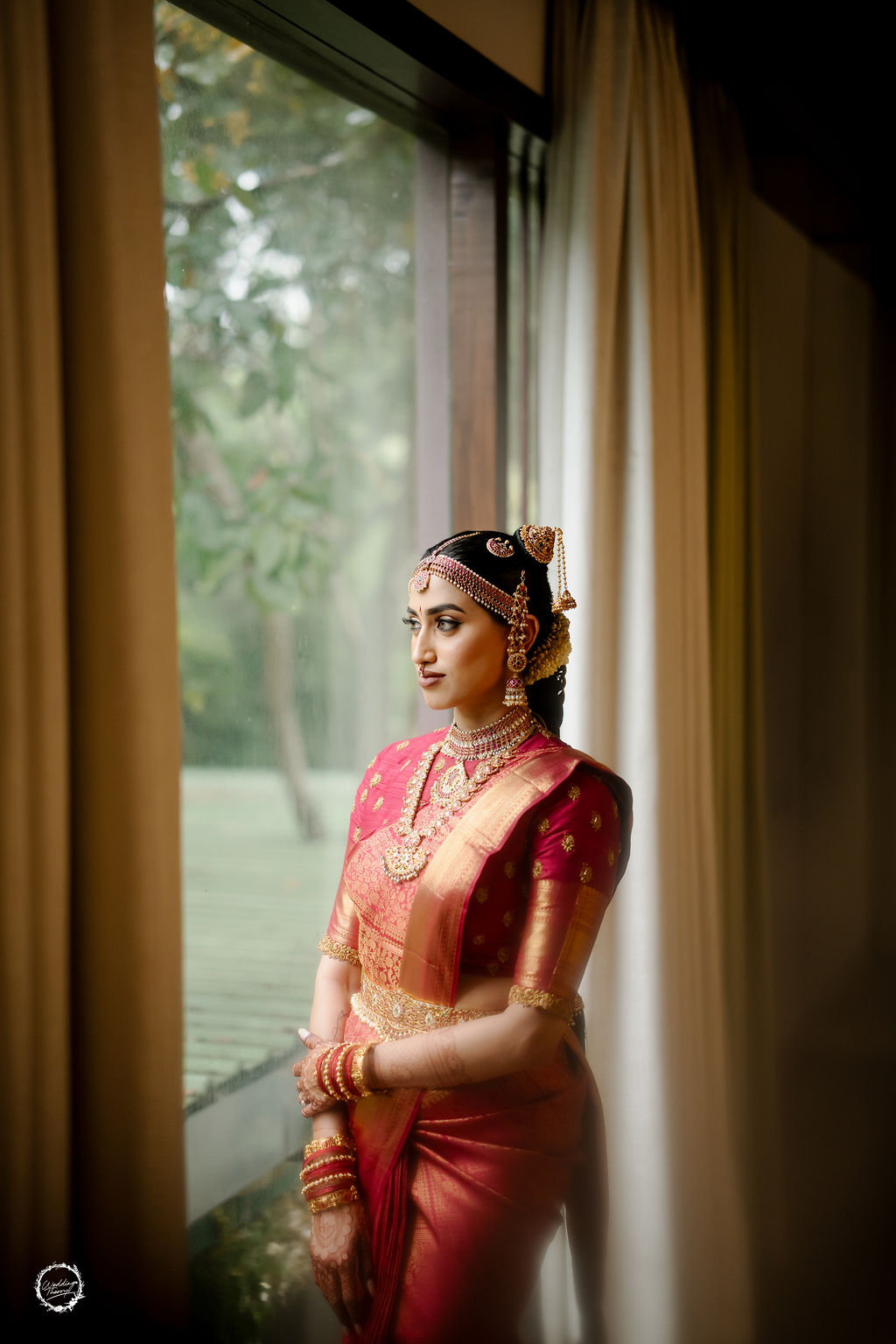
Making the Decision That Feels Like You
There is no universal right answer. There is only the answer that matches how you want to remember your wedding. If you are the kind of person who treasures the unguarded moment, lean documentary. If you are the kind of person who wants every family member in a perfect frame, lean traditional. If you are like most couples, tell your photographer you want both, and then trust them to balance it.
The best wedding photographers are not married to a style. They are married to the story of your day, in all its mess, beauty, and unpredictability. When you find someone who listens to what you actually want, rather than selling you a package, you will know. And when the photos arrive, you will not care which label they fall under. You will just be glad they are yours.