
Why Your Bridal Jewellery Deserves More Than a Flat Lay
Your grandmother's polki choker. The maang tikka your mother wore at her own wedding. These pieces carry stories, but most wedding albums reduce them to a single overhead shot on a hotel bed. That's a missed opportunity. Jewellery is one of the few elements that connects generations, and photographing it creatively means treating it as a character in your wedding narrative, not a checkbox on a shot list.
Here's how to capture the depth, texture, and emotion of your bridal jewellery without resorting to clichés.
Get the Light Right: Natural and Directional
Jewellery photography lives or dies by light. Harsh flash flattens gemstones and turns gold into a yellow blob. Instead, work with soft, directional light: a window during daytime, or a single continuous source with a diffuser. This reveals the facets of diamonds and the intricate carving of temple jewellery.
Window Light with a Twist
Place the jewellery near a window but angle it so light rakes across the surface. This creates shadows that define the shape of the piece. For extra sparkle, use a small mirror or white foam board to bounce light back into the shadows.
Golden Hour for Warmth
If your schedule allows, shoot during the late afternoon when sunlight is warm and low. It adds a natural glow to gold and makes colored stones pop. Avoid direct midday sun, which creates harsh highlights.
Composition: Beyond the Centered Shot
Most photographers default to a centered, top-down view. It's safe but predictable. To make your jewellery photos stand out, experiment with angles and framing that suggest how the piece is worn and its significance.
In-Context Shots
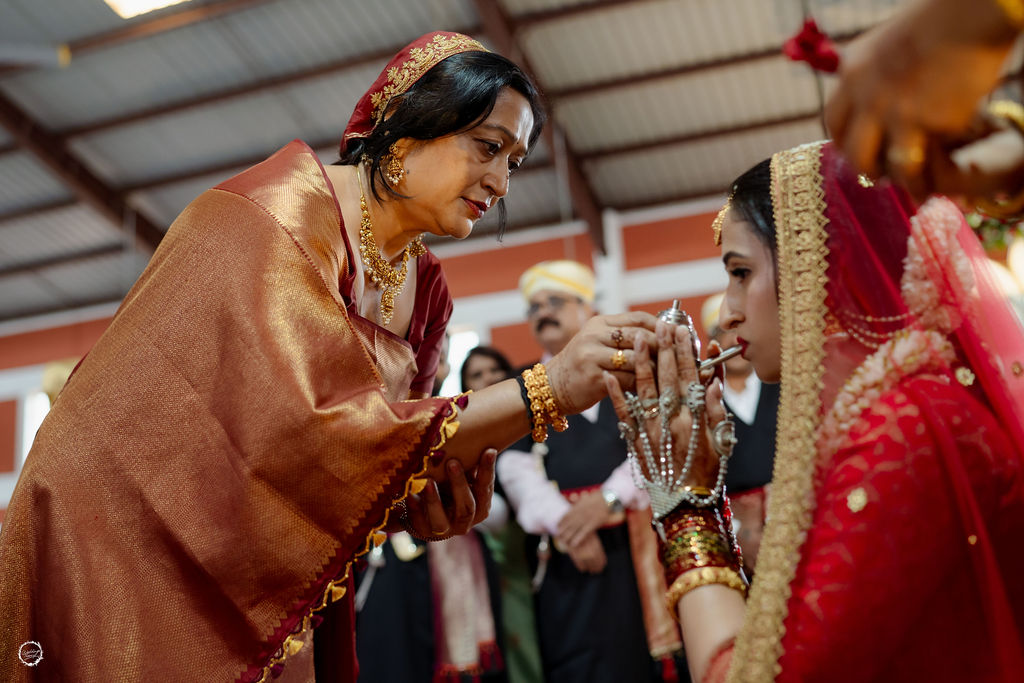
Show the jewellery on the bride. A close-up of the jhumka against her neck, the tikka resting on her forehead, or the bangles sliding up her arm. These images tell a story of adornment and anticipation.
Use Reflections and Shadows
Place the jewellery on a mirrored surface or let it cast a shadow on a textured wall. Reflections add depth and a sense of luxury, while shadows create drama. Just ensure the reflection doesn't distract from the piece itself.
Styling with Meaningful Props
Props can elevate a simple jewellery shot into a narrative. But choose items that have personal meaning or cultural relevance, not generic filler.
Heirloom Textiles
Drape the jewellery over your mother's wedding saree or a piece of Banarasi silk. The texture and history add layers of emotion. Even a small swatch can provide a rich background.
Floral Accents
Fresh flowers like jasmine, roses, or marigolds can complement the jewellery's colors and add a soft, organic touch. Use them sparingly so they don't overpower the piece.
Personal Keepsakes
Include your invitation card, a letter from your partner, or your grandmother's spectacles. These small details make the photo uniquely yours and spark conversations later.
Capturing Detail: Macro and Close-Ups
The craftsmanship of bridal jewellery is often in the minutiae: the filigree, the stone settings, the engraving. Macro photography reveals these details in a way that wide shots can't.
Focus Stacking for Sharpness
If you're using a macro lens, depth of field can be razor-thin. Focus stacking (taking multiple shots at different focus points and combining them) ensures the entire piece is sharp. Many modern cameras have this feature built-in.
Show Scale
Place a coin or a common object next to the jewellery to show its size. This helps viewers appreciate the intricacy, especially for pieces with tiny stones.
Movement and Emotion: The Bridal Portrait
Jewellery isn't static; it moves with the bride. Capture that movement to convey the liveliness of the day.
Candid Moments
During the getting-ready phase, when the bride is laughing or talking, the jewellery catches the light and moves naturally. These unposed shots often become favorites.
Dance Shots
At the reception, the jewellery swings and sparkles under the lights. Use a slightly slower shutter speed to create a sense of motion, but keep the face sharp.
Make It Yours
Your bridal jewellery is more than an accessory; it's a piece of your heritage. By thinking beyond the standard flat lay, you create images that honor both the artistry of the piece and the emotions of the day. Share these ideas with your photographer, or if you're shooting yourself, experiment with light, composition, and storytelling. The result will be photographs you'll want to revisit for years.