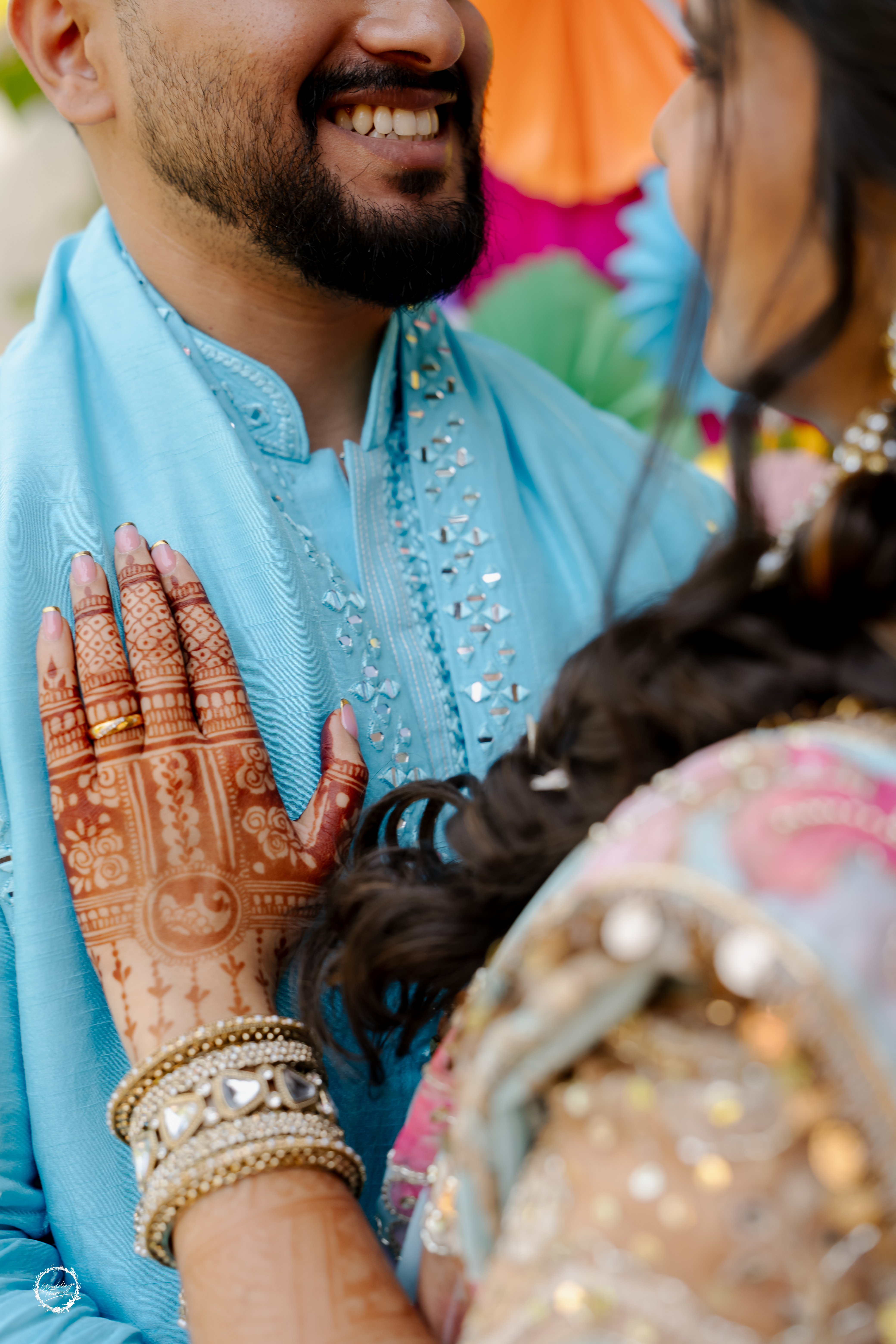
Why a Vision Board Beats a Pinterest Board
You've pinned hundreds of images. Your saved folder is a graveyard of ideas you'll never revisit. A vision board forces you to choose. It's a physical or digital collage that represents the feeling you want your wedding to evoke, not just the decor you want to buy.
Most couples treat wedding planning as a checklist: book venue, hire photographer, pick flowers. A vision board flips that. It starts with the atmosphere you want your guests to walk into. That shift in perspective changes every decision that follows.
From Scattered Pins to a Single Story
Pinterest is a search engine. It rewards volume. A vision board rewards intention. When you limit yourself to 15 or 20 images, you're forced to ask: does this belong in the same day as that? The result is a cohesive narrative, not a random collection of pretty things.
The Emotional Filter
Before you add an image, ask: does this make me feel the way I want to feel on my wedding day? If the answer is no, it doesn't matter how beautiful it is. This filter prevents you from chasing trends that won't age well in your own memory.
How to Build a Vision Board That Actually Works
A vision board isn't about cutting and pasting. It's about editing. Here's a process that keeps you focused.
Start with Three Words
Pick three adjectives that describe the experience you want. Not the look. The experience. Words like unhurried, intimate, joyful. Or dramatic, polished, alive. Write them down. Every image you consider must serve at least two of those words.
Collect Without Judging, Then Edit Ruthlessly
Give yourself one week to gather anything that resonates. No limits. After seven days, stop. Then delete anything that doesn't match your three words. You'll be left with a tighter, more honest collection.
Arrange by Priority, Not Aesthetics
Place the images that matter most in the center. These are the non-negotiables: the way your partner looks at you during the vows, the texture of your grandmother's lace, the late-night dancing. Surround them with supporting details. This hierarchy will guide your budget and your timeline.
What to Include (and What to Leave Out)
Not every image belongs on a vision board. Some are distractions. Here's how to tell the difference.
Include These
- Lighting: The quality of light sets the mood more than any centerpiece. Include images that show the light you want: soft window light, golden hour, candlelit tables.
- Expressions: Candid laughter, quiet tears, a hand squeeze. These are the moments you'll actually remember.
- Textures: Fabric, foliage, stone, paper. Texture adds depth that flat color palettes can't.
- One or two full-scene shots: A wide view of a reception space that feels like the atmosphere you want.
Leave These Out
- Trend-driven props: If you saw it on three weddings last year, it will date your photos.
- Perfect-looking strangers: Models in styled shoots don't represent real people. You want to see real emotion, not poses.
- Anything that requires a venue you can't afford: A vision board should inspire, not taunt. Keep it realistic.
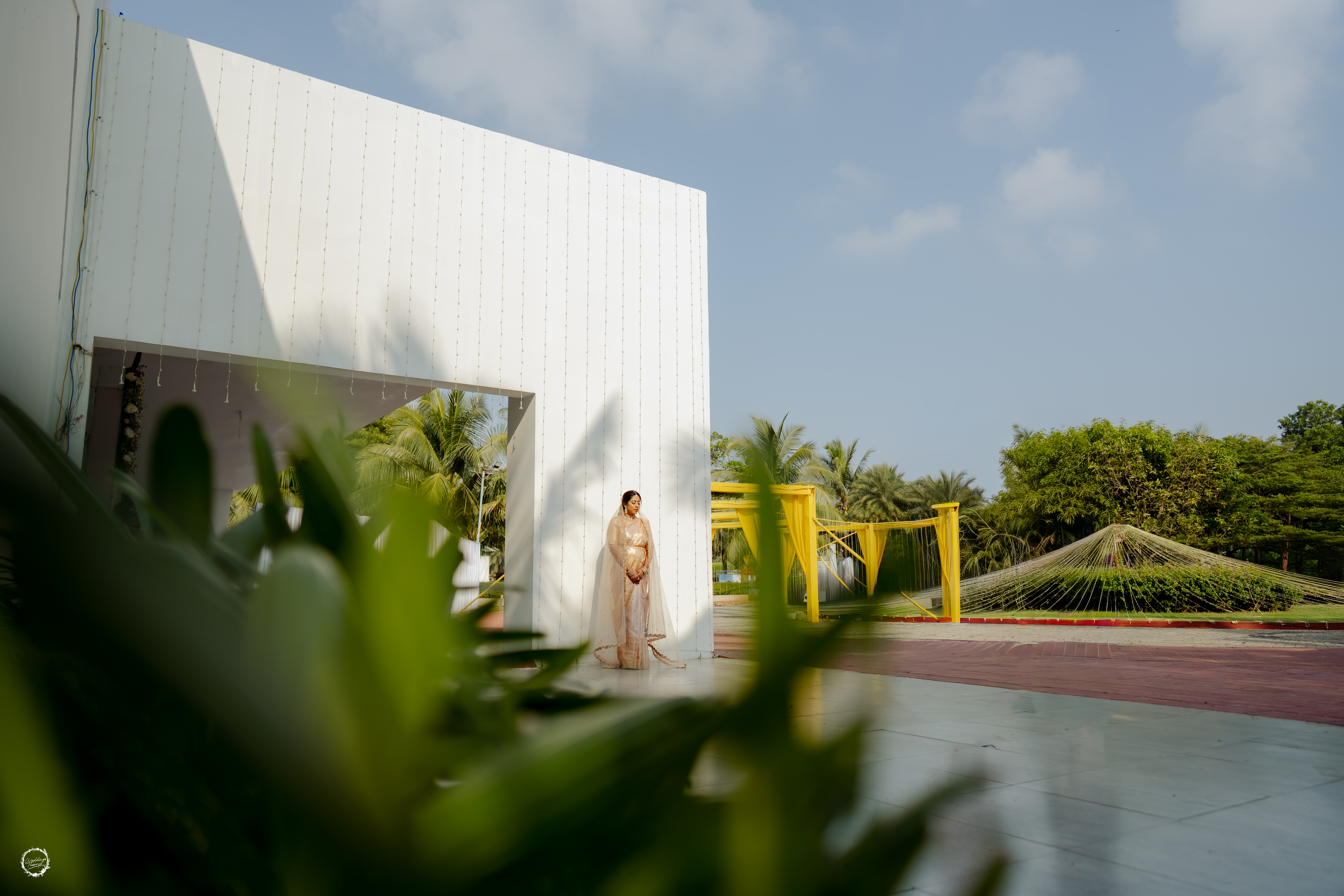
Using Your Vision Board with Your Photographer
Your vision board is a communication tool. It tells your photographer what you value without a long explanation. But how you share it matters.
Share the Board, Not the Individual Images
Don't send 50 separate screenshots. Share the board as a single document or link. Add a short note explaining your three words and which images are most important. This context helps your photographer understand your priorities.
Ask for Feedback, Not Approval
Your photographer has seen hundreds of weddings. They can tell you if your vision is realistic for your venue and timeline. Ask: "What's missing from this board?" or "What would you change to make this work better?" Their input can save you from a logistical nightmare.
Trust Their Interpretation
A vision board isn't a shot list. It's a mood. If you hand over a board and then demand exact replicas of each image, you're limiting your photographer's creativity. Let them use the board as a starting point, then give them room to capture what's actually happening.
Keeping the Vision Alive Through Planning
As you book vendors and make decisions, it's easy to lose sight of the original feeling. Your vision board should be a living document, not a one-time exercise.
Revisit It Before Every Major Decision
Before you sign a contract for a florist or a band, look at your board. Does this choice move you closer to that feeling? If not, reconsider.
Let It Evolve
Your vision may shift as you learn more about what's possible. That's fine. Replace images that no longer fit. The board should reflect your current priorities, not a past version of your wedding.
Use It to Say No
The most powerful use of a vision board is as a filter for opportunities. When a vendor suggests an upgrade or a friend offers a DIY idea, you can check it against your board. If it doesn't fit, you can decline without guilt. Your vision board gives you permission to stay focused.