
The Morning Before the First Frame
Wedding mornings rarely start with a camera in hand. They start with coffee, a gear check, and a quiet review of the couple's timeline. By the time I arrive at the hotel suite, the bride is already in her robe, hair half-pinned, and the room smells like heat protectant spray and nervous laughter.
This is the hour that sets the tone for everything. I walk in, introduce myself to the mother who's been crying since 6 a.m., and find the corner with the best window light. No one poses yet. I just watch, adjust my settings, and wait for the first genuine moment.
Most people assume the day begins with the first photo. In practice, it begins with listening. The bride tells me her grandmother is running late. The groom texts that he forgot his cufflinks at home. These small disruptions are part of the job, and they're exactly why I'm there before the chaos peaks.
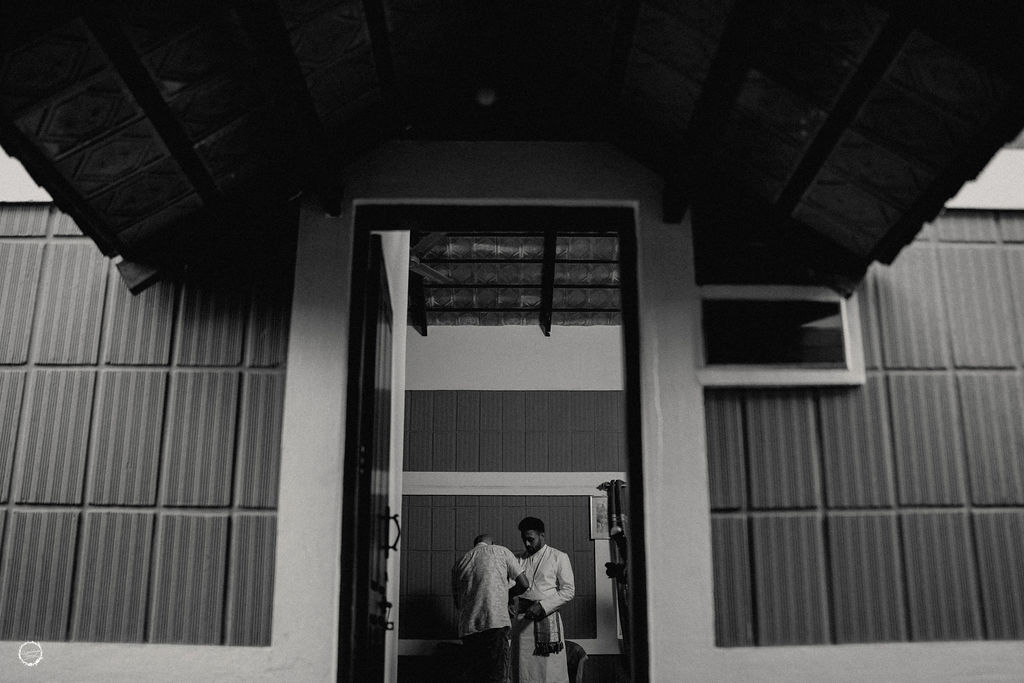
By the time the first button is done, I've already mapped the room's light, identified who cries easily, and noted where the family will gather. The camera comes up only when the moment earns it.
Moving Through the Ceremony Without Being Seen
The ceremony is where the discipline shows. I'm not there to direct or interrupt. I'm there to be invisible enough that the couple forgets I exist, but present enough to catch the groom's face when the doors open.
That requires a specific kind of attention. I watch the officiant's cues, the bride's breathing, the grandmother's tissue. I move in slow arcs, never cutting through the aisle during a vow. I've learned that the best shots come from staying still and letting the emotion come to me.
Why Candid Beats Posed Here
Posed photos have their place, but they belong to the portrait session. During the ceremony, the real story is unscripted. The groom wiping his eye before the kiss. The flower girl dropping her basket and the bride laughing. Those moments vanish if you're busy staging them.
My job is to anticipate, not arrange. I know the vows are almost over when the groom shifts his weight. I know the ring exchange is coming when the best man pats his pocket. That foresight is what turns a normal ceremony into a set of images that feel alive.
The Portrait Session as a Breather
After the ceremony, there's usually a thirty-minute window for portraits. This is the part of the day that looks effortless in the final gallery but takes the most coordination. I'm not just clicking a shutter. I'm managing light, location, and the couple's energy after an emotional hour.
I keep it simple. A few classic setups with the family, then just the two of them. I ask them to walk toward me, whisper something to each other, or stand still and breathe. The best portraits come when they stop performing and start being together.
Handling the Unexpected
No timeline survives contact with a wedding. The sun shifts, the uncle wants a group shot, the bride's heel breaks. I've learned to roll with all of it. I carry a backup pair of flats in my bag and a list of shaded spots at every venue I shoot.
When something goes wrong, I don't announce it. I adjust. The couple rarely notices the pivot because I make it look like part of the plan. That's the quiet skill of the job: turning a problem into a photograph no one expected.
The Reception and the Last Dance
The reception is where the day loosens up. The speeches are done, the toasts are made, and the dance floor starts pulling people in. My camera stays ready for the first dance, the father-daughter song, and the moment the bride kicks off her heels.
But the real work happens in the margins. I'm watching the guests, the kids falling asleep on laps, the grandfather telling stories at the corner table. Those are the images that matter most to families later, the ones that show not just the couple but the whole world they come from.
By the last song, my feet ache and my arms are heavy. But I keep shooting until the lights come up. The final frame of the night is often the most honest: the couple exhausted, laughing, finally alone in the middle of an empty floor.
What Happens After I Leave
The wedding day ends, but the work doesn't. I back up every card before I sleep, cull through thousands of frames, and start the careful edit that turns raw moments into a coherent story. That process takes days, sometimes weeks, depending on the size of the wedding.
I don't just deliver a folder of images. I sequence them so the gallery reads like the day itself: the nervous morning, the tearful ceremony, the chaotic portraits, the joyful reception. Each image earns its place by advancing that narrative.
When the couple opens their gallery, I want them to feel the day again, not just see it. That's the standard I hold myself to, and it's why I do this job at all. The camera is just the tool. The real work is paying attention to what matters.